Molecular biologist earns GCSU’s first prestigious Cottrell Scholar Award
By Amanda Respess
Dr. Arnab Sengupta, assistant professor of cell and molecular biology, has been named a 2026 Cottrell Scholar by the Research Corporation for Science Advancement, placing him among only 24 chemistry, physics and astronomy scholars across the United States and Canada to earn this distinction.
Sengupta is the first Georgia College & State University professor to earn the award, which includes a $120,000 grant to fund future research.
Sengupta studies messenger RNA (mRNA) molecules, investigating how specific segments of mRNA function as chemical switches. Sengupta’s work has major practical implications for cancer research. By understanding mRNA “switches,” scientists can encourage or inhibit the growth of cells.
“This approach treats RNA not just as a messenger, but as a direct chemical target for new classes of therapeutics designed to intercept disease at the molecular level,” Sengupta explained.
According to RCSA, Cottrell Scholars are chosen through a rigorous peer-review process. The scholars’ proposals must incorporate plans for both research and science education.
“I am transforming my undergraduate Chemical Biology class into a course-based research experience,” Sengupta wrote in his proposal. “By bridging the gap between the classroom and the laboratory, we are training future scientists to solve the most pressing challenges in human health.”
Georgia College Provost Dr. Holley Roberts agreed, calling this recognition a “landmark achievement for Georgia College & State University and a powerful affirmation of the exceptional teacher‑scholars who define our academic community.”
“Dr. Sengupta’s groundbreaking work with mRNA, and his dedication to integrating undergraduates into meaningful, inquiry-driven research, embody the very best of our liberal arts mission,” Roberts added. “This award not only honors his innovative scientific contributions but also highlights the transformative learning experiences he creates for our students.”
By bridging the gap between the classroom and the laboratory, we are training future scientists to solve the most pressing challenges in human health.
Research is Different Here
Sengupta, who joined the Georgia College faculty in 2022, credits GCSU’s liberal arts mission for creating an environment in which opportunities for interdisciplinary collaboration and mentored undergraduate research are plentiful.
In fact, 68% of students conduct undergraduate research during their time on campus — some in Year One.
“My philosophy with undergraduate research projects is that I like to assign students things they have ownership of,” Sengupta said. “From my very first research cohort of three students, they were the ones driving the projects.”
From that initial group of three, each student is currently engaged in high-impact science work. One student went directly into a Ph.D. program at Emory University, while another began working at the National Institutes of Health, and the third works as a researcher at the Fred Hutch Cancer Center.
The way Dr. Sengupta interacts with us and encourages that learning is very approachable. He really helps you through the process.
Biology major Brian Wirth from Kennesaw, Georgia, is one GCSU student who began working in Sengupta’s lab in his first year. Now a sophomore and part of GCSU’s Pre-Med Mentoring Program — which boasts a 100% success rate for its students’ admission into medical school — Wirth says Sengupta made it easy to become involved in the research process.
“Georgia College has first-year seminar courses which pertain to each major and Dr. Sengupta was my seminar professor that first semester,” Wirth said. “When you first encounter literature such as jargon-heavy journal articles, it can be very hard to understand. But the way Dr. Sengupta interacts with us and encourages that learning is very approachable. He really helps you through the process.”
Launched in 1994, the Cottrell Scholar Awards are named for educator, inventor and science visionary Frederick Gardner Cottrell, who founded Research Corporation for Science Advancement in 1912. “Bet on the youngsters,” Cottrell said. “They are long shots but some of them pay off.”
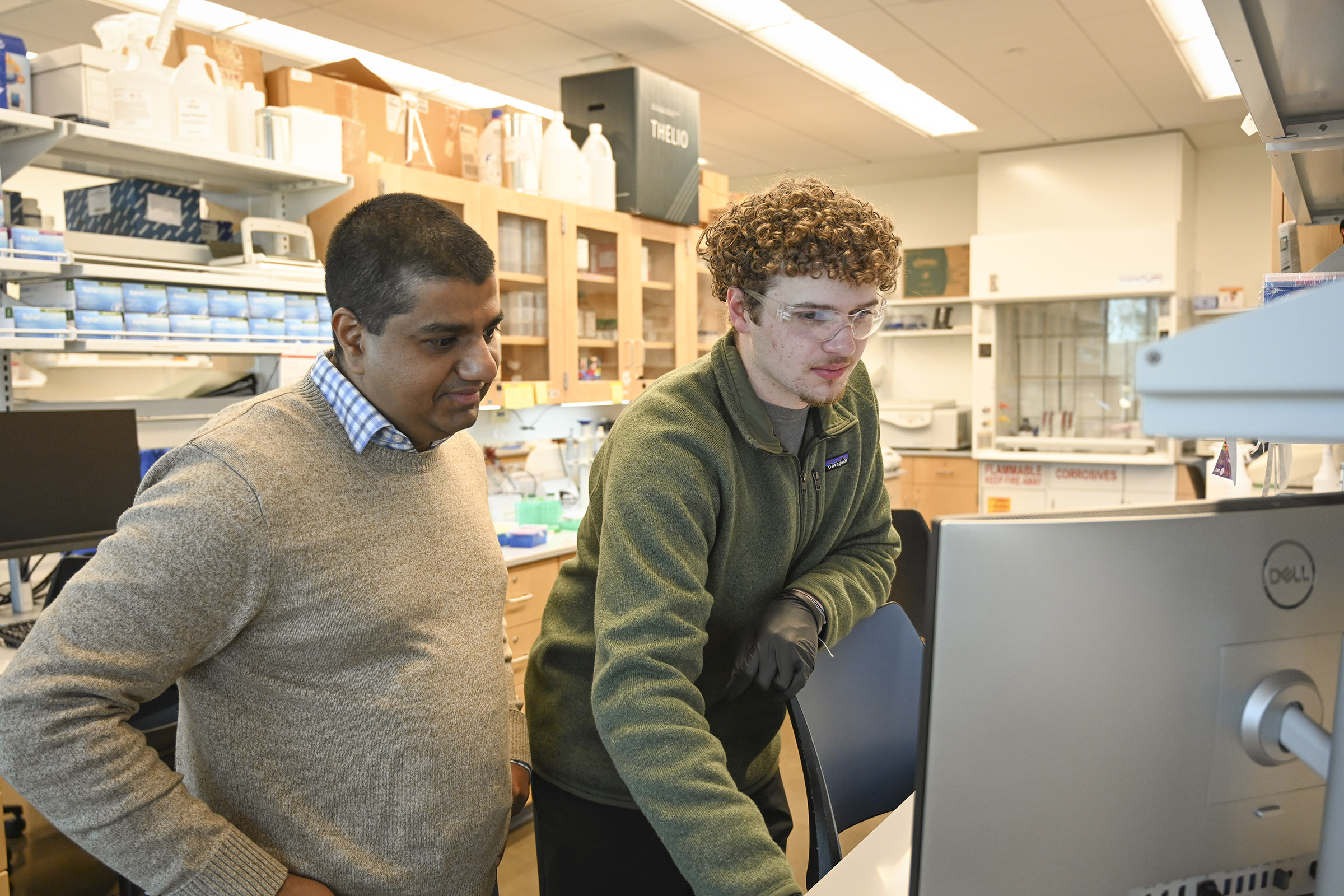
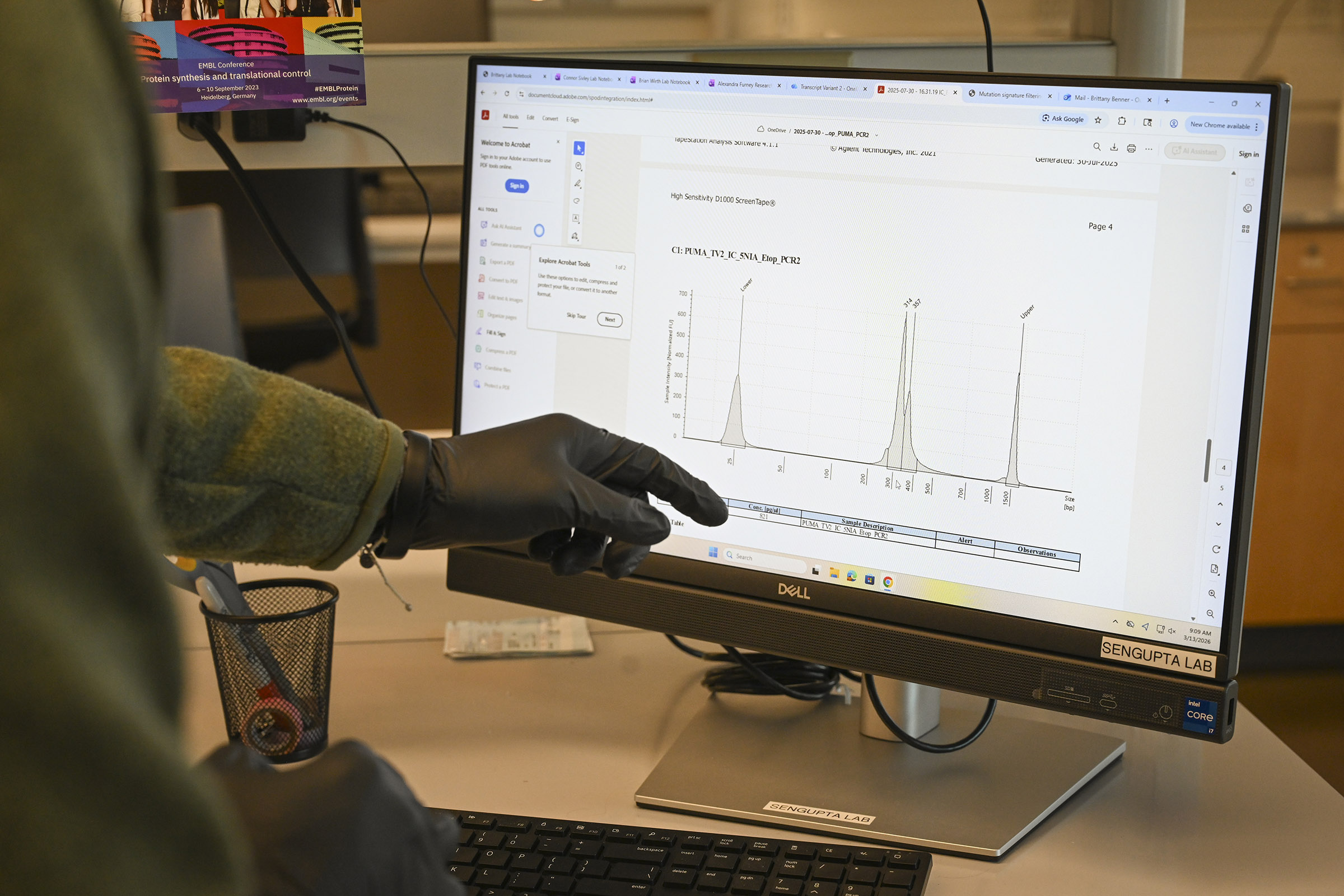
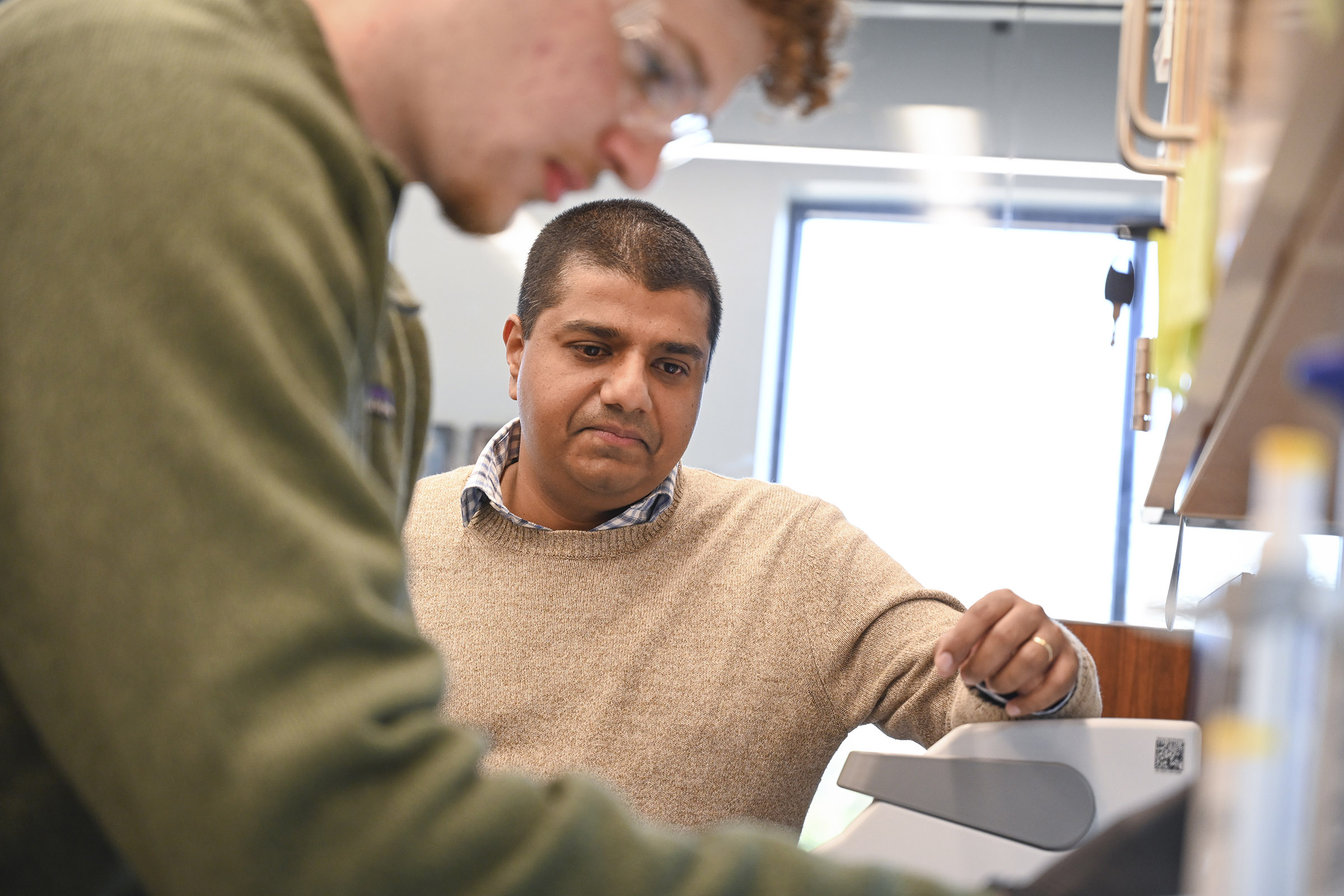
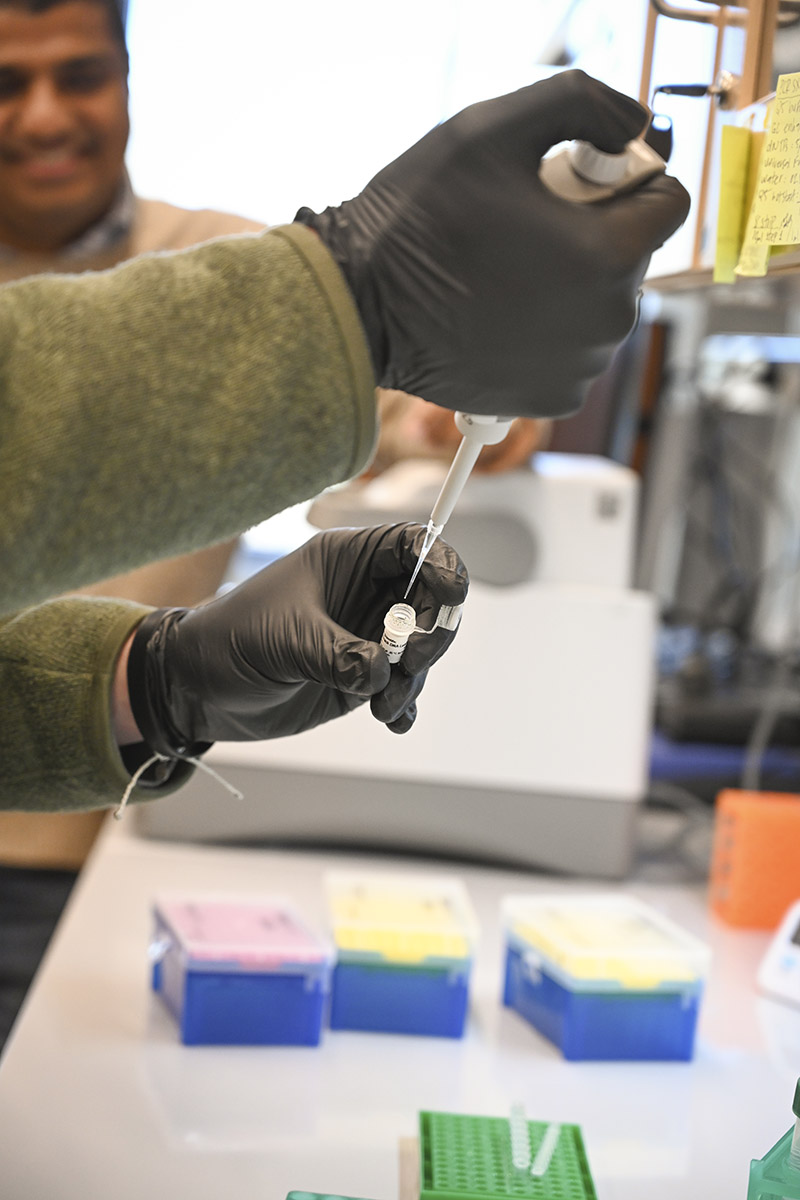
Header Images: Sophomore Brian Wirth and Cottrell Scholar Dr. Arnab Sengupta work in Sengupta's lab in the Saladin Integrated Science Complex at GCSU. Photos by Anna Gay Leavitt.