Five Chemistry majors present at prestigious international Conference in Lisbon, Portugal
By Ian Wesselhoff
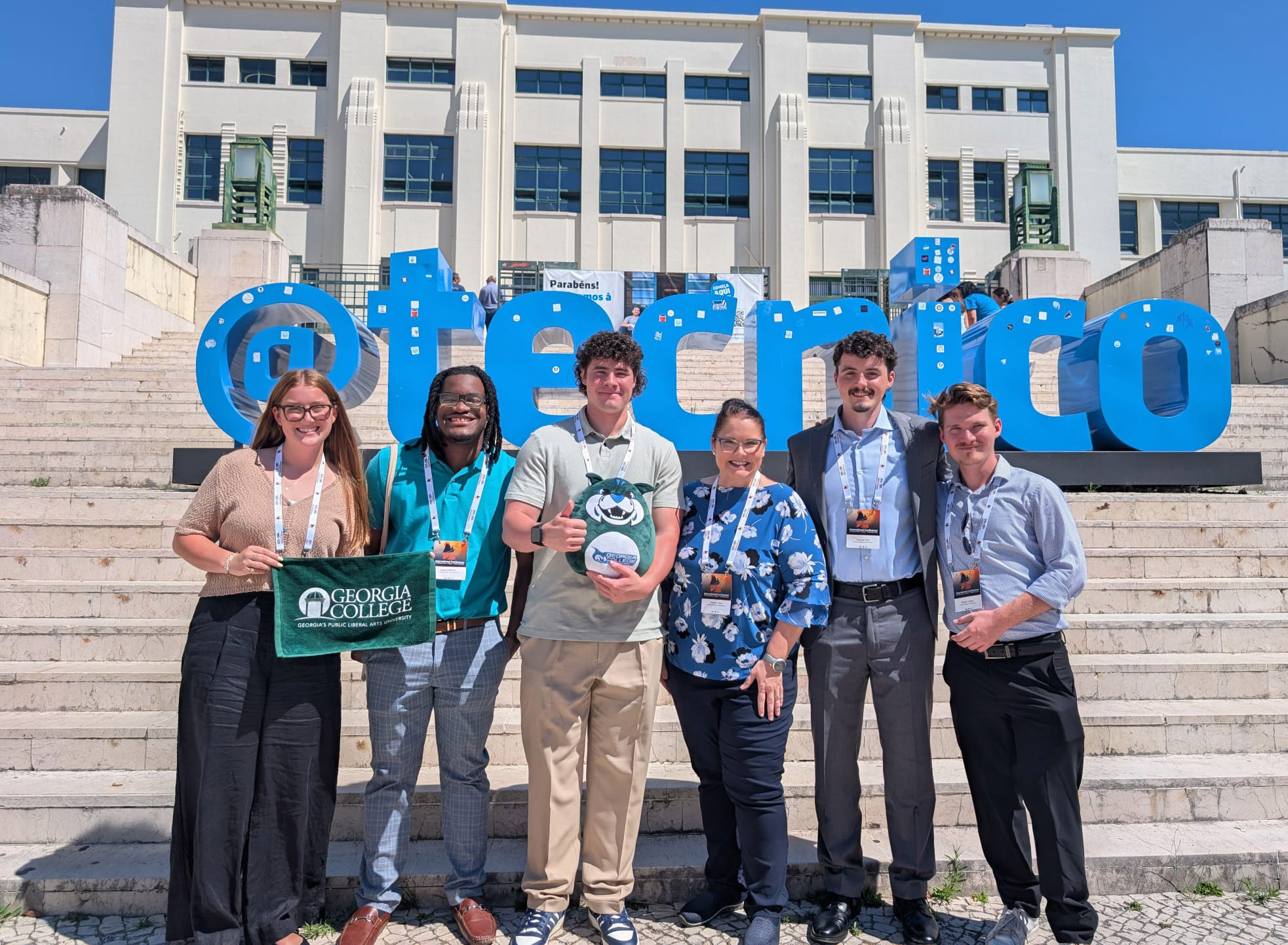
F ive chemistry students at Georgia College & State University were accepted to present their research from August 31 to September 4 at the highly competitive International Sol-Gel Conference in Lisbon, Portugal.
All five students in Dr. Catrena Lisse’s research group applied, and based on previous years’ success rates, Lisse says she was hoping two of them would be accepted. Instead, when the expert reviewers from all around the world conducted their blind review of submissions, every member of Lisse’s lab was approved.
“I made all five aware: this is what’s happening, this is the process, there’s no guarantee. I was bracing them for possible rejection,” said Lisse, professor of chemistry. “I’ve never had all of my students accepted for this conference. Ever. Not only does it validate the research I’m doing – it validates their hard work that they’ve put into it.”
Juniors James Addis and Emily Mirth and seniors Morgan Collins, Thomas Rice and Dakota Warren were vying for presentation spots among scientists with Ph.D.s, graduate students and other sol-gel scientists from across the globe.
“It says that we’re competitive on the international field,” Lisse said. “At this international level, our work is acknowledged, and that is exciting.”
Lisse has been involved in sol-gel chemistry, a unique area of material science, since 1993, and over her career has presented and served on panels as an expert. Once she started at Georgia College and began working with undergraduates, she says everything shifted.
“My Ph.D. is from Georgia Tech. I love Georgia Tech, but we are not a large research university like that – we are better, in my opinion, because we give undergraduates this type of experience,” Lisse said. “I was never able to do anything like this with undergraduates.”
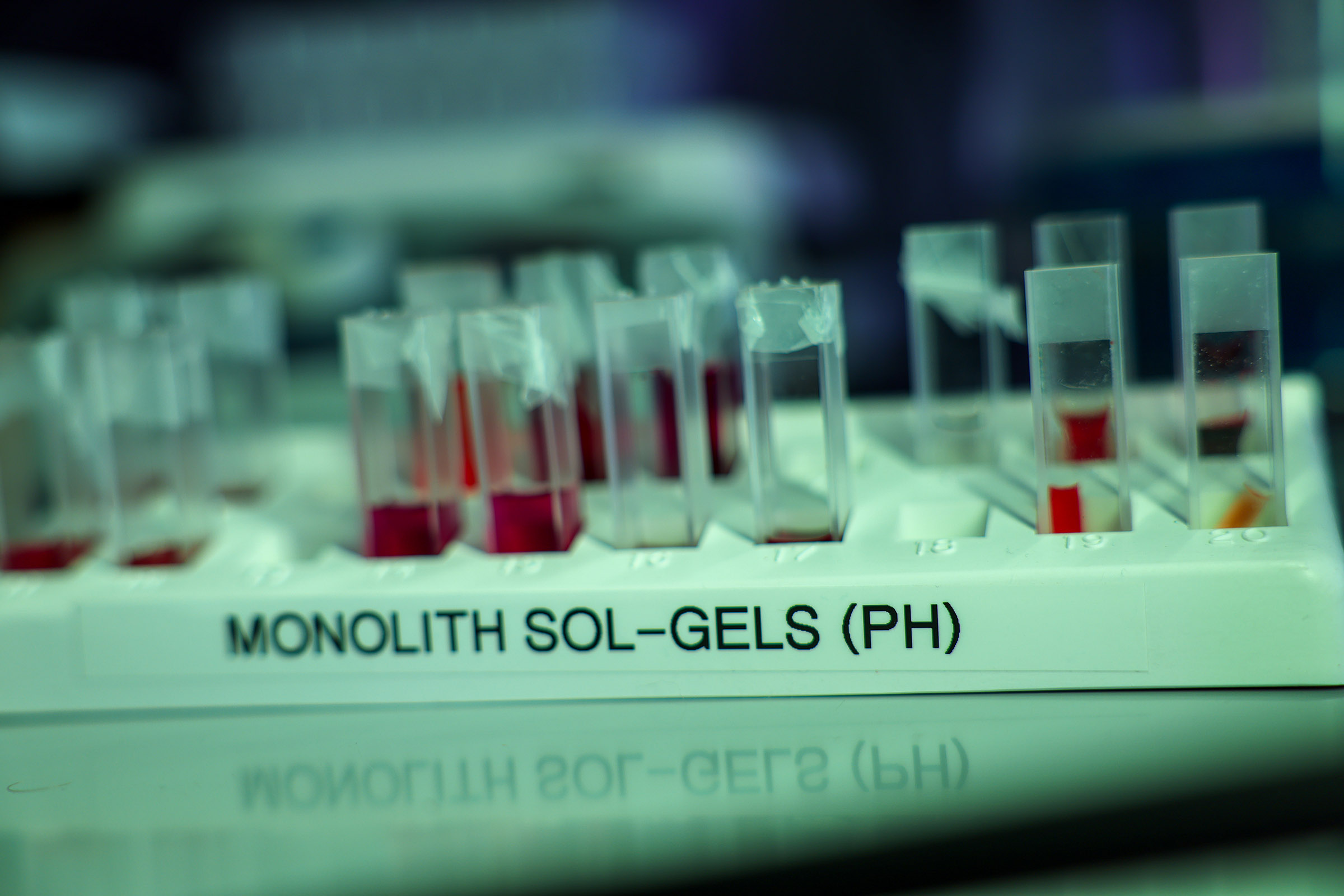
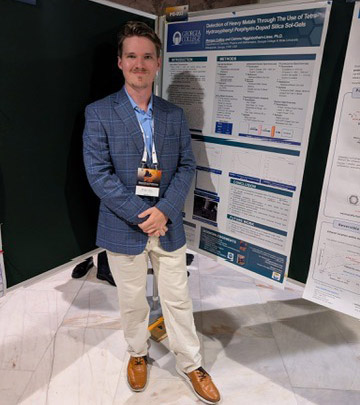
Of the five students, Collins has been working on his project the longest, and he is collaborating with Lisse on writing a publication. He is developing a sensor that detects heavy metals in rivers and streams, changing color depending on the type of metal, to determine if the water is safe to drink.
“The whole project is to test with a whole bunch of different instrumentation so that anybody can use it,” Collins said. “You can bring it out to pretty much any community and just test any water, right then and there.”
The opportunity to conduct research like this at the undergraduate level is rare, Collins says, and he recognized that those unique options were available at Georgia College when he participated in the Young Scientists Academy after his junior year of high school.
“After the Young Scientists Academy, GCSU was the only college I was looking at,” Collins said. “Research opportunities is a main thing, being able to actually conduct research. Because of that, I’ve been able to gain so much valuable experience where I’m able to apply for the Fulbright Canada MITACS internship, and I’m able to apply and get accepted to present at different conferences like the International Sol-Gel Conference.”
To Warren, who transferred to Georgia College a year ago, presenting at this conference would have been out of reach before coming here.
“It’s something I would’ve never imagined, at the age I am, or at my previous school,” Warren said. “It’s actually crazy. I’m so grateful for this opportunity.”
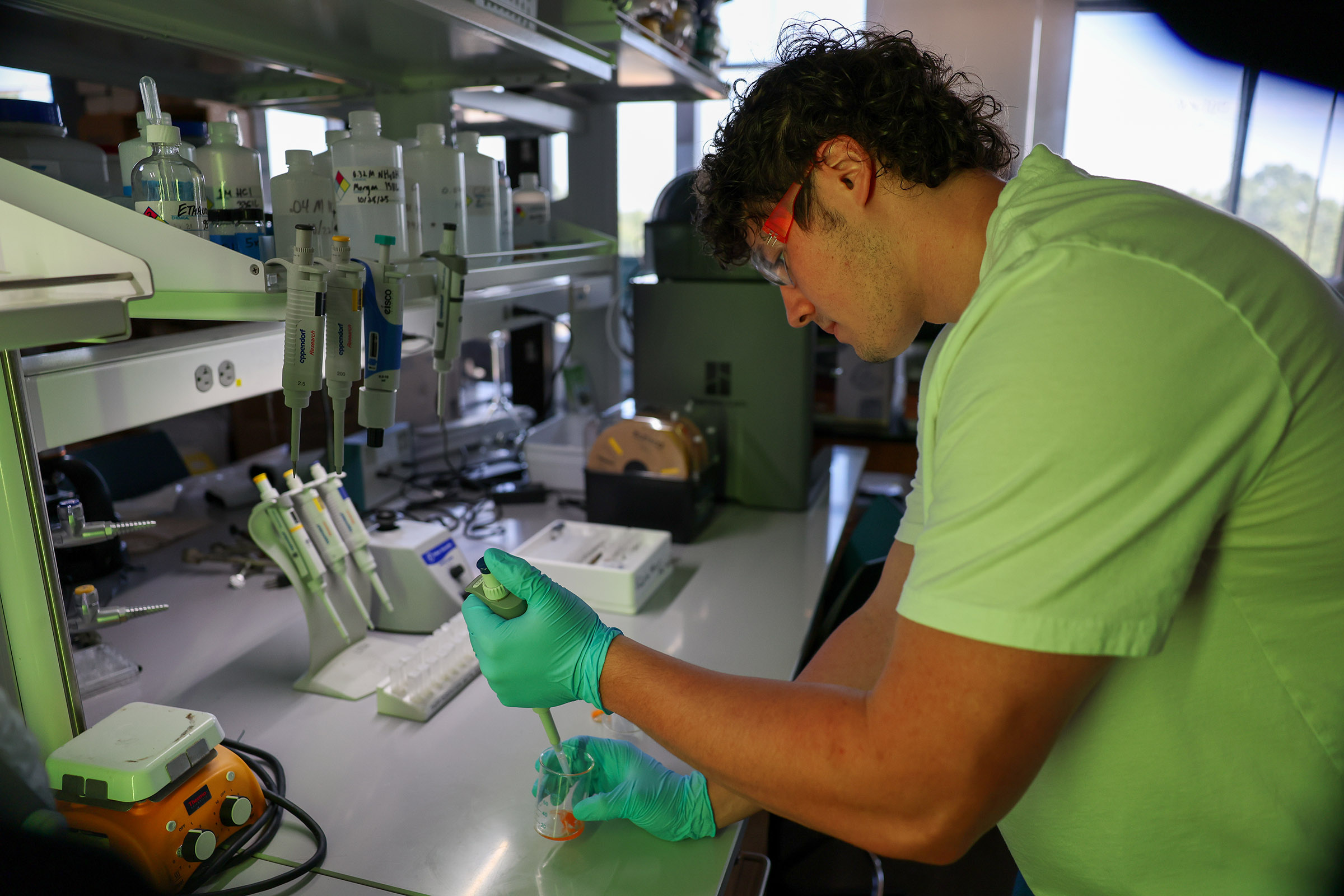
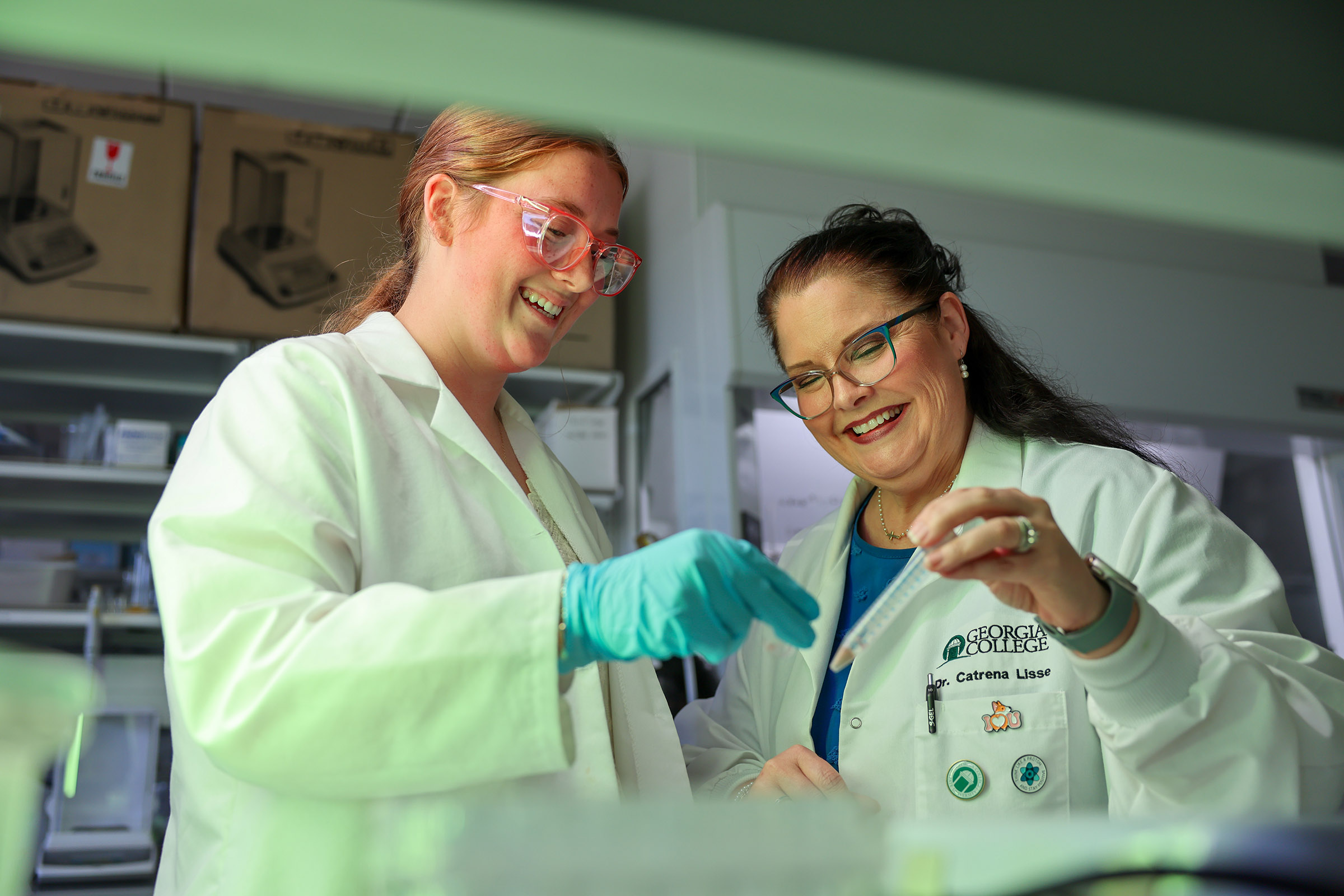
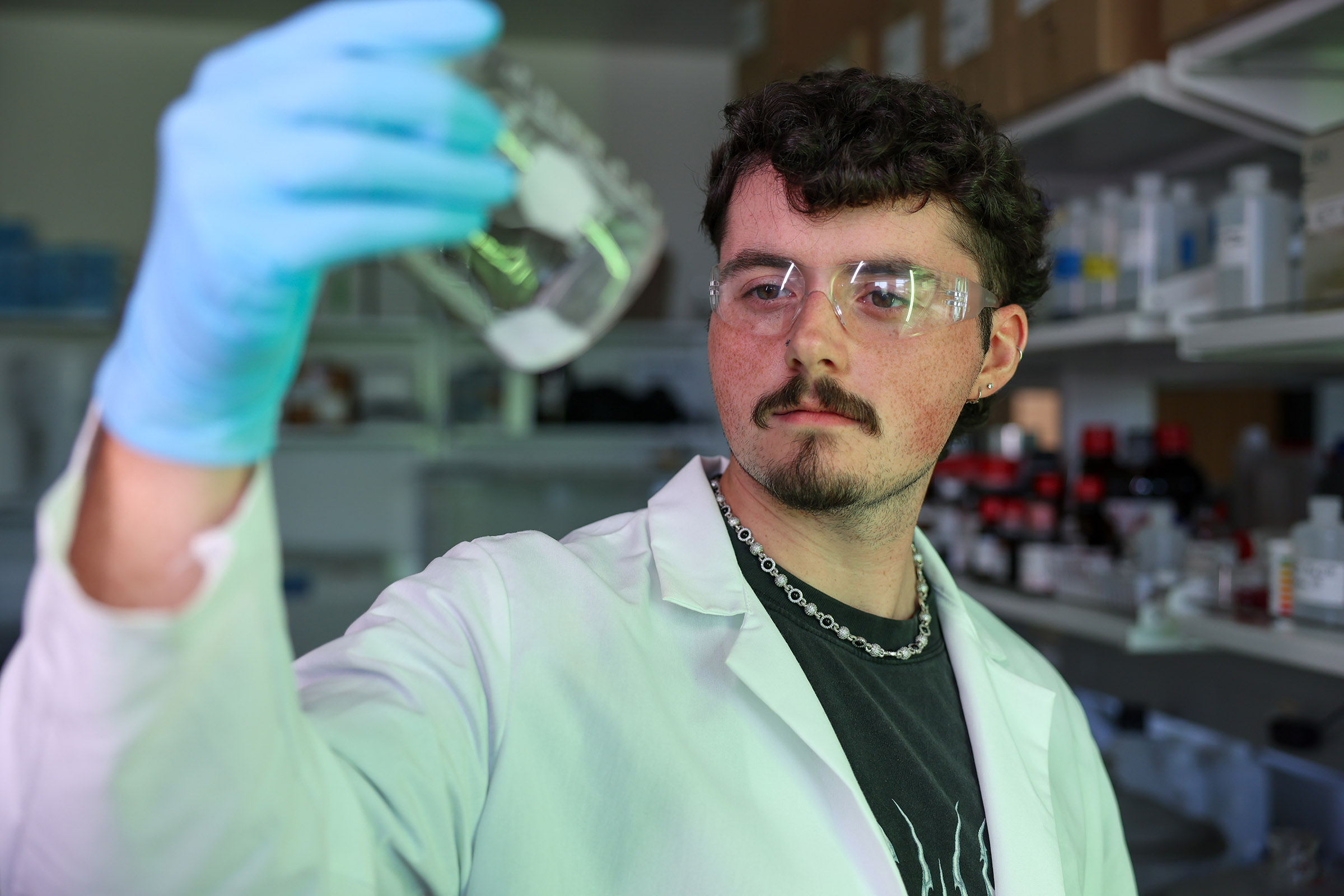
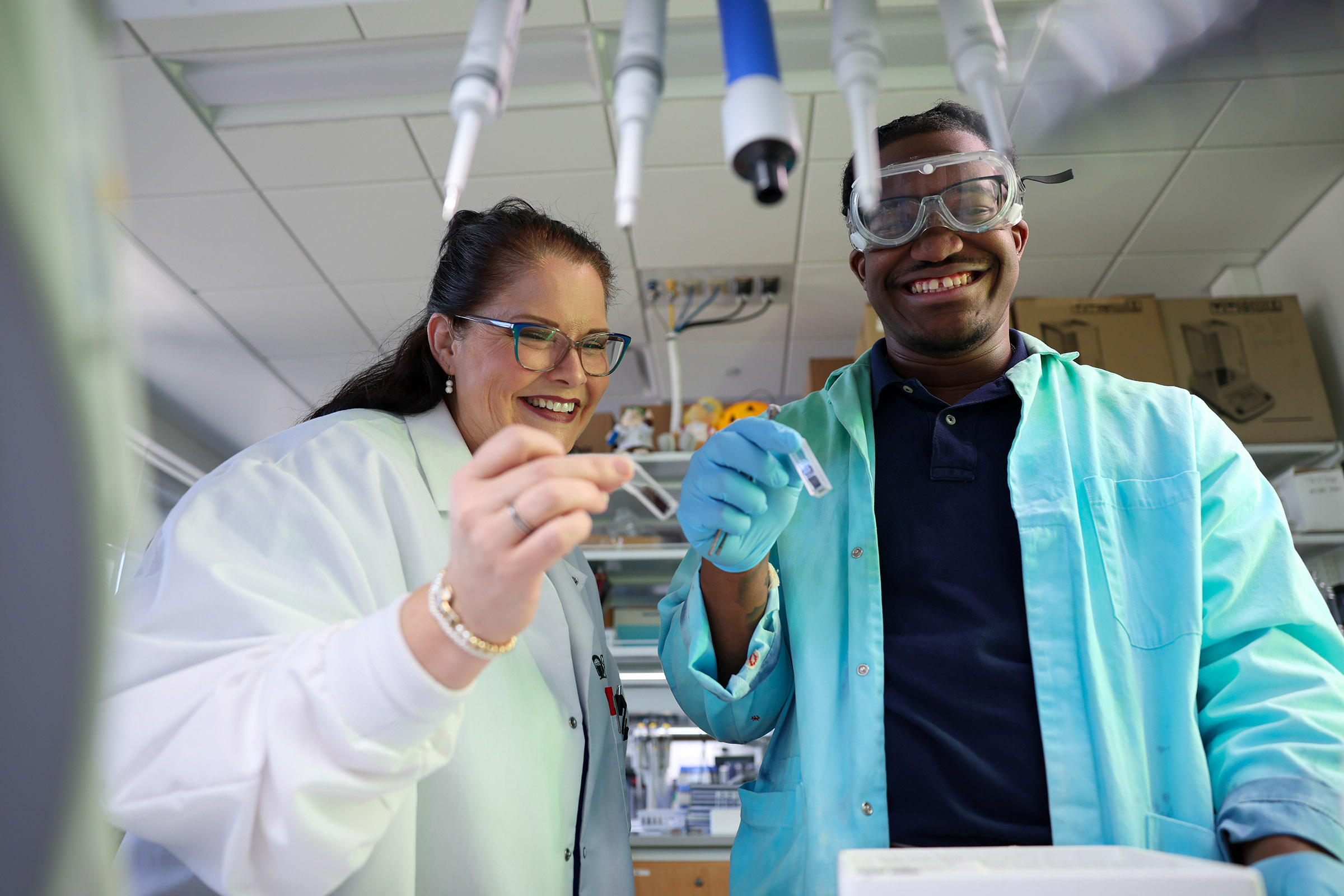
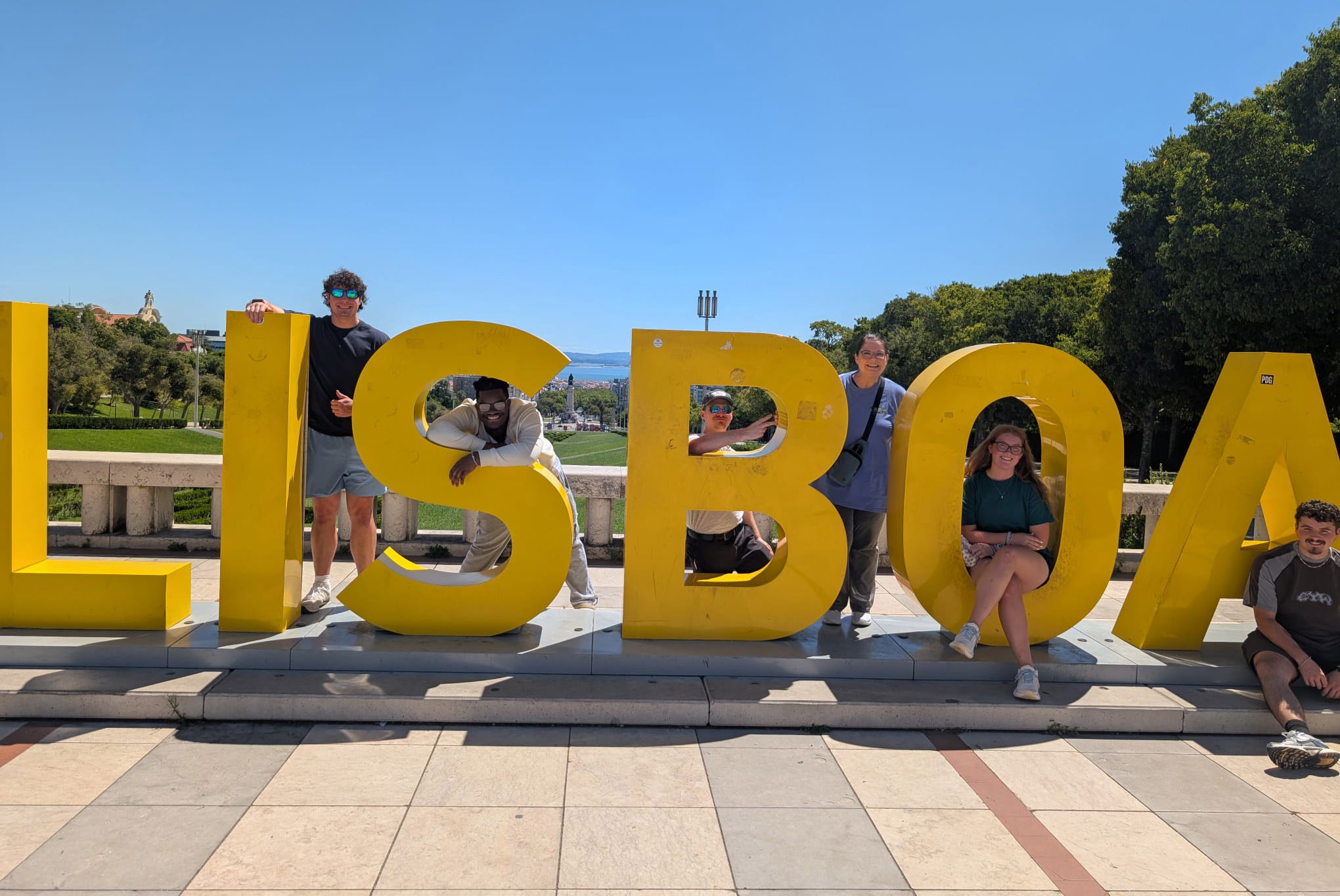
Header Images: Chemistry majors James Addis, Emily Mirth, Thomas Rice and Dakota Warren in the Integrated Science Center lab with faculty mentor Dr. Catrena Lisse. Senior Morgan Collins was also one of the five students accepted to present their original research at the International Sol-Gel Conference last week in Lisbon, Portugal. Dr. Lisse and her students in Lisbon. (Photos: Stacey Lumley and Catrena Lisse. Video: Stacey Lumely and Chris Brown.)