Making Memories: Research Cohort Puts Alzheimer’s and Dementia Under the Microscope
By Amanda Respess
More than 7.4 million Americans over age 65 are currently diagnosed with Alzheimer’s or other forms of dementia, affecting family, friends and caregivers across the country. Senior biology major Amelia Rose Thomas is one of those family members.
“My grandfather actually suffers from dementia,” Thomas said. “Dr. Hegde’s broad spec thing is Alzheimer’s and memory processes. And as soon as I learned what his research was about, I wanted to learn more about it, since that had a direct impact on my life.”
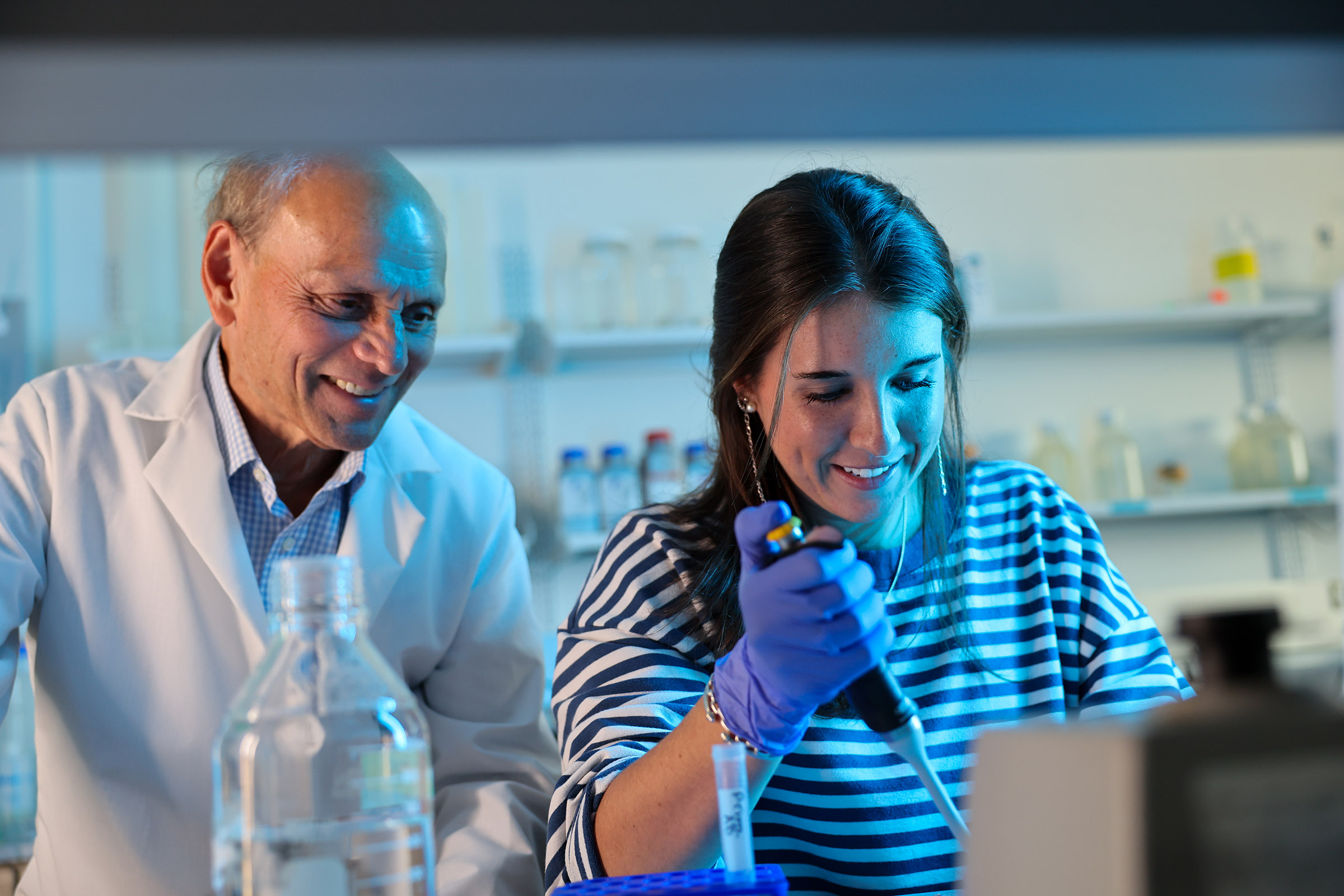
Thomas leads Dr. Ashok Hegde’s undergraduate student research cohort, focusing on the brain chemistry and proteins that affect a person’s long-term memories.
“We remember things sometimes only for a short time. Other things we remember for several years, even a lifetime. In our brain, we have almost infinite capacity for long-term memory, but not everything goes into long-term memory,” Hegde explains.
“What my lab studies is all the molecules that play a role in sculpting the synapses, which is how the neuro cells connect to each other. Either synapses strengthen or weaken. We study the strengthening part. When synapses strengthen, memory forms.”
Hegde has an extensive background in neuroscience, including research and faculty positions at Columbia University and Wake Forest School of Medicine, where he taught first- and second-year medical students and was the principal investigator for multimillion-dollar research grants.
Hegde joined the faculty at Georgia College & State University as the William Harvey Endowed Professor of Biological Sciences and was excited to adapt his “big lab” expertise to the smaller class sizes and liberal arts mission of GCSU.
“I do the same quality of research here. This kind of opportunity is not available to students in many other universities. ... It helps them deepen their knowledge of science and helps them in their future career,” Hegde said.
The research Thomas and her fellow undergrads conduct with Hegde’s guidance and mentorship has implications for treating dementia, where memory loss is one of the first symptoms to be seen.
“For Alzheimer's, there’s going to be buildup of just junk in the brain,” Thomas said, “And what we’re looking into is a sub-unit of kind of the trash men in the brain, breaking things down that don’t need to be there.”
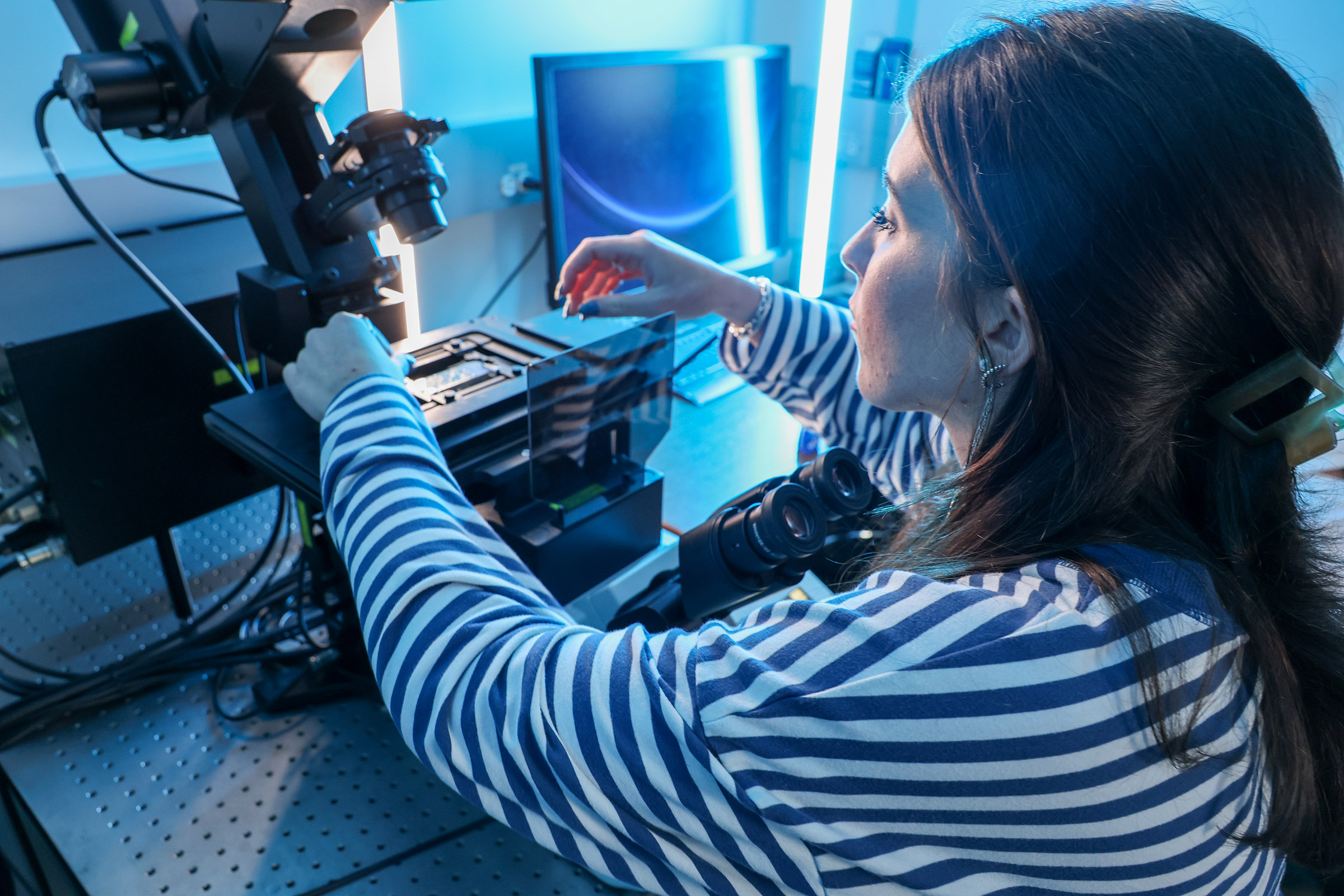
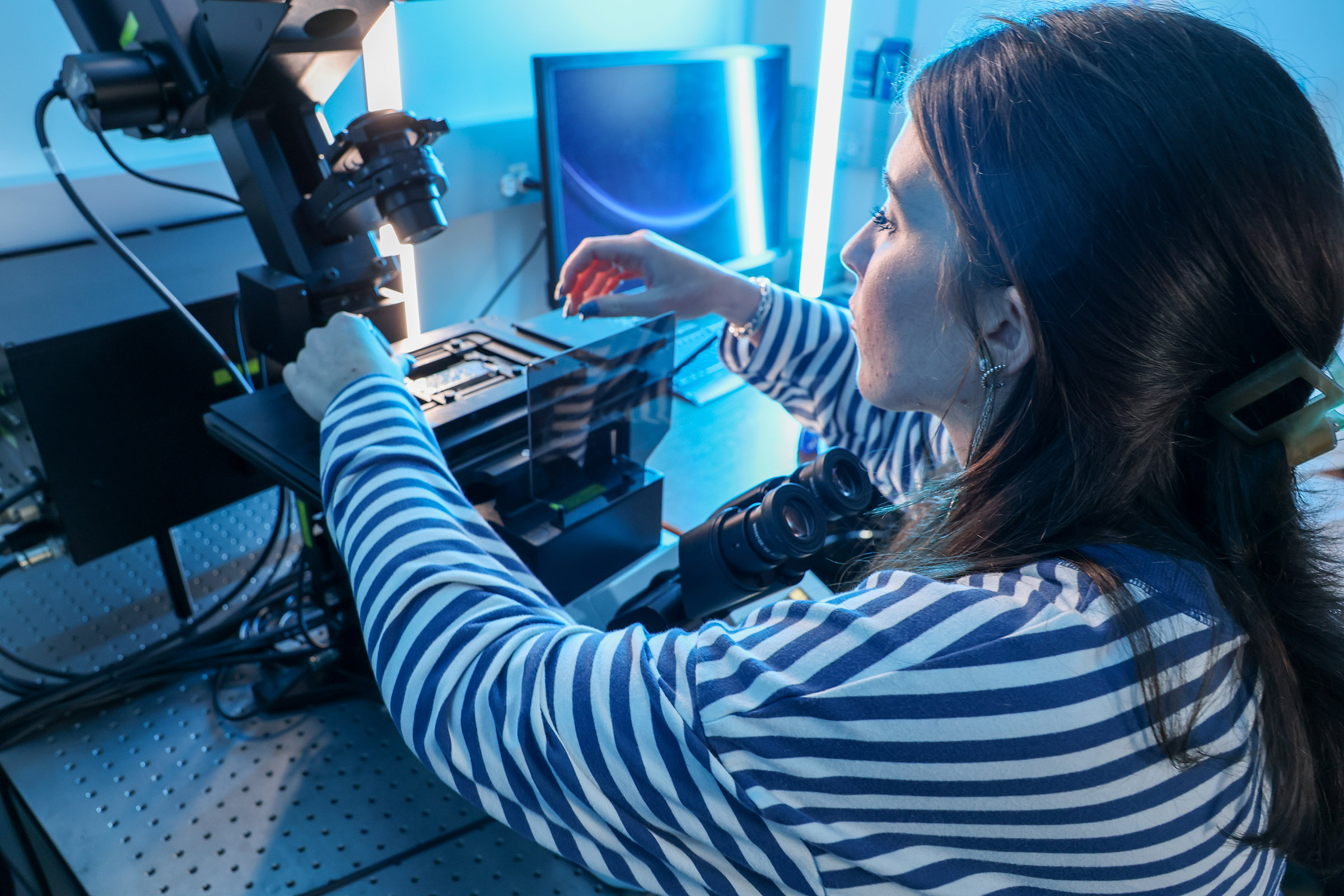
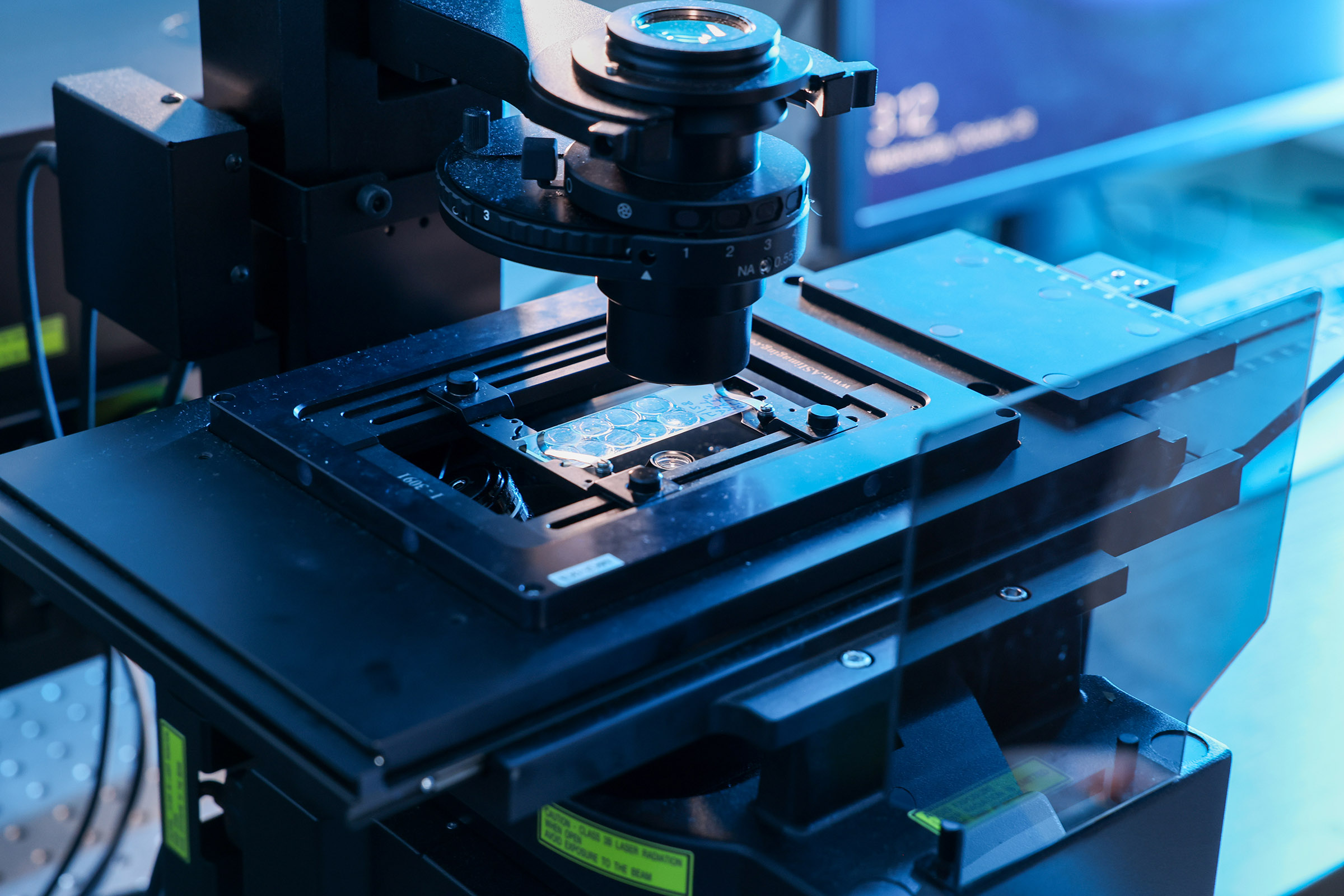
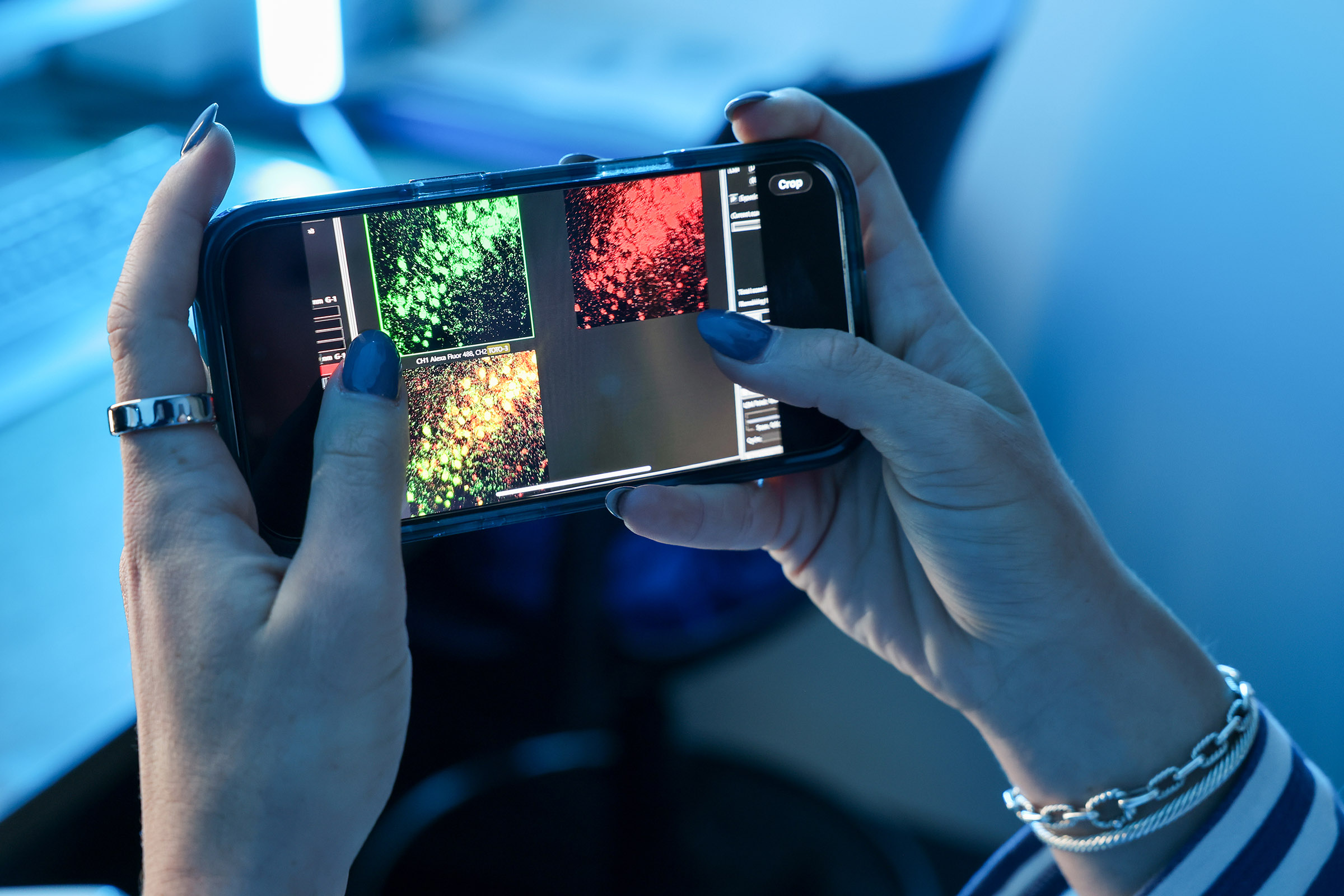
The research includes CLTP, chemical long-term potentiation, emulating the same chemical environment in the brain, but using murine hippocampal slices. They identify primary and secondary antibodies and focus on certain proteins to see how they react. The students image the CLTP and control groups using a confocal microscope.
“The confocal microscope is just like a light microscope, except it uses laser and a sophisticated software to analyze the images, so the students can actually see their molecule glowing on the slide,” Hegde said. “That’s the type of work we are doing, and it has implications for diseases like Alzheimer’s.”
For Thomas, who has also completed two years as a member of Hegde’s Pre-Med Mentorship cohort, the research experience gained at Georgia College has prepared her for entering the medical field.
“It’s been super cool to see and know that I’m making an impact by being a part of the research here. It’s awesome,” Thomas said.
Hegde looks for students with Thomas’ level of interest and enthusiasm to work in his lab, but he’s quick to point out the breadth of undergraduate research opportunities available at GCSU.
“For undergrads who want to do research, it’s not that you have to work in my lab. There are many labs in this department. Whatever suits your interest, go to the professor. Talk to them and see what their research is about and if it appeals to you,” Hegde encourages.
And even though research is hard work requiring time and commitment, Hegde says, “when you get the result, that thrill is worth living for.”
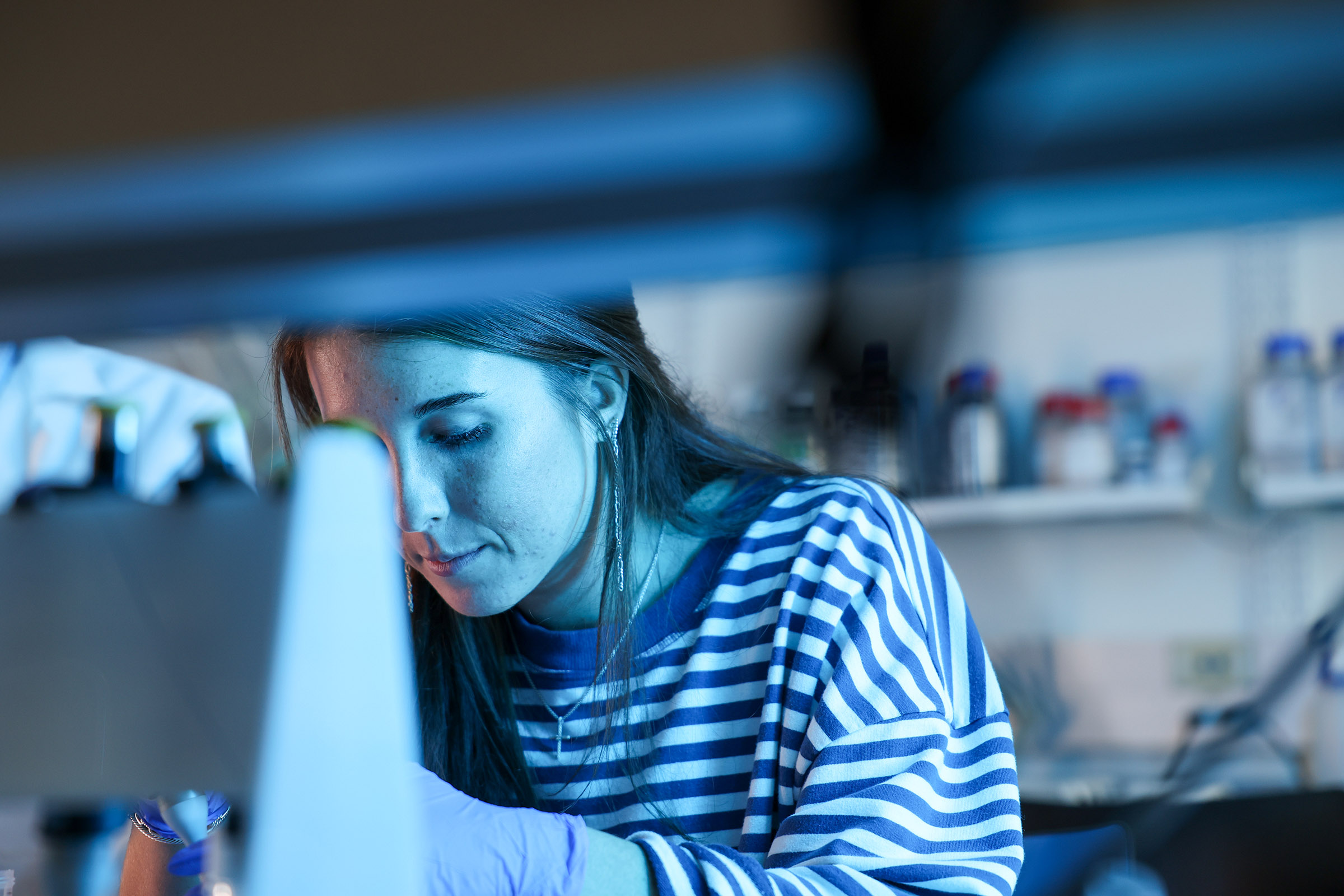
Header Images: Senior biology major Amelia Rose Thomas works with Dr. Ashok Hegde in Hegde's lab in the Saladin Integrated Science Complex at GCSU. (Photos and video by Stacey Lumley and Chris Brown.)