Georgia College awarded $2 million to expand nurse training, alleviate state’s workforce bottleneck
By Gil Pound
G eorgia College & State University has been granted $2 million to become the state’s hub for healthcare simulation training – marking a milestone investment to expand Georgia’s medical training infrastructure and get nurses into the workforce faster.
The funding – awarded by the University System of Georgia through the Georgia Department of Community Health’s GREAT Health Program – will expand offerings in Georgia College’s Simulation and Translational Research Center, which provides aspiring healthcare workers the clinical experience needed to earn professional certification.
The grant comes at an opportune time, as well, as Georgia is currently projected to face a 12,370-nurse shortage by the end of 2026 – a 12% workforce gap, according to the Health Resources and Services Administration.
“As clinical placement opportunities become increasingly limited, simulation-based learning plays a critical role in preparing the next generation of nurses with the knowledge, skills and confidence needed to deliver exceptional patient care,” said Dr. Holley Roberts, GCSU provost and vice president for Academic Affairs. “Through immersive, high-fidelity simulation experiences, nurse educators will enhance their ability to develop students’ clinical judgment, foster reflective practice and strengthen the connection between classroom learning and real-world application.”
GCSU is recognized as a leader in simulation-based education in Georgia. This grant will support the expansion of program offerings, increasing access to high-quality simulation training.
The grant will create seven new faculty and staff positions at the Sim Center, which will double the enrollment capacity in Georgia College’s accredited Healthcare Simulation Certificate program. The only such program of its kind in Georgia, the graduate certificate program teaches healthcare educators from around the state how to administer simulation training programs of their own in accordance with national and international standards.
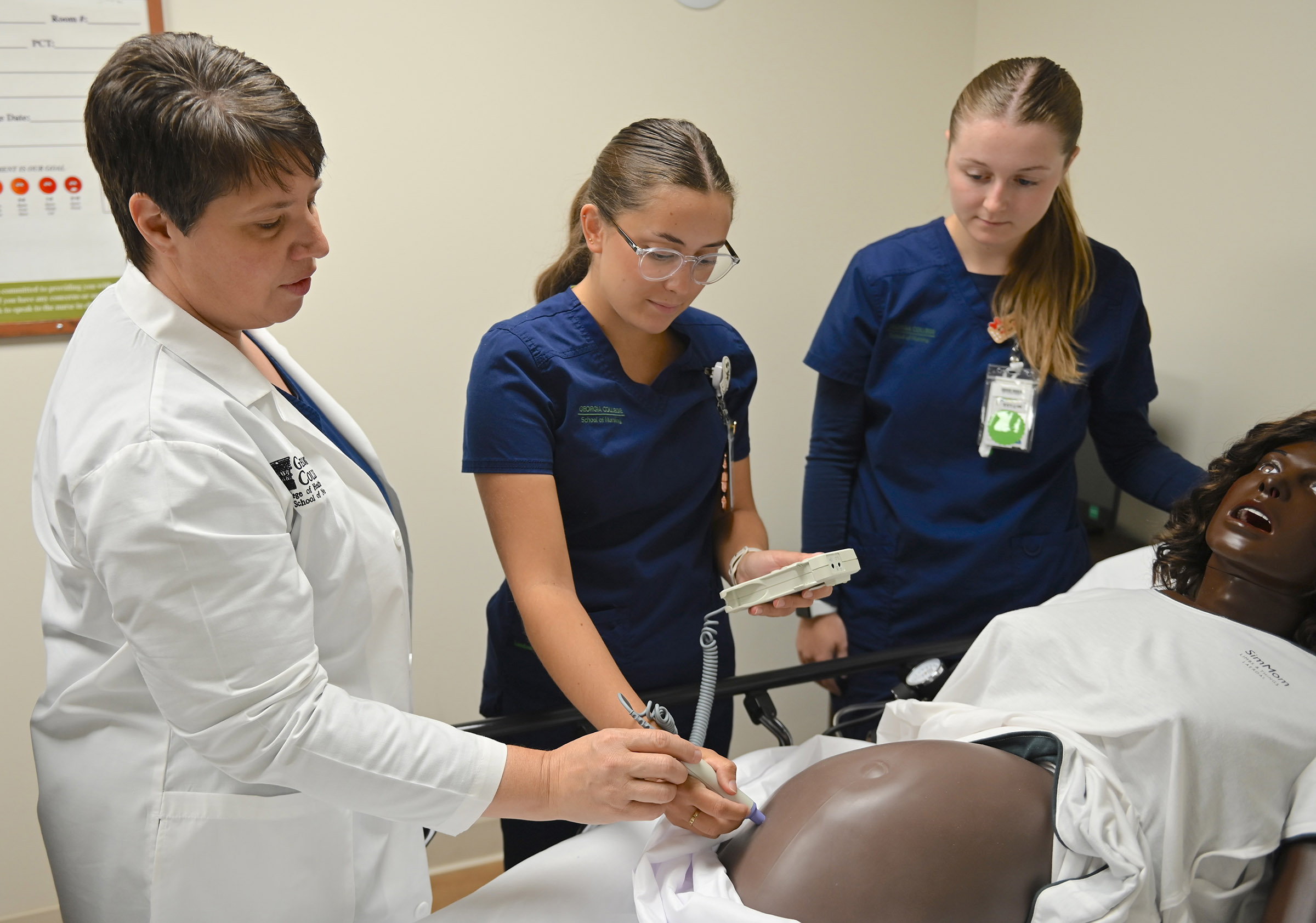
In addition to increasing Sim Center faculty and staff, the $2 million will pay for new equipment, including 21 high-fidelity manikin patient simulators, nine hybrid simulation devices to be worn by actors serving as patients, 28 hospital beds, IV pumps, a 3D printer and more.
“GCSU is recognized as a leader in simulation-based education in Georgia,” said Dr. Shawn Little, University System of Georgia associate vice chancellor for healthcare education. “This grant will support the expansion of program offerings, increasing access to high-quality simulation training and providing more educators with opportunities to enhance their expertise and instructional capabilities.”
The state’s projected workforce shortage is due to training access limitations, as well as an aging workforce. The Georgia Board of Health Care Workforce says roughly 40% of Georgia nurses are age 50 or older.
Sim Center Impact
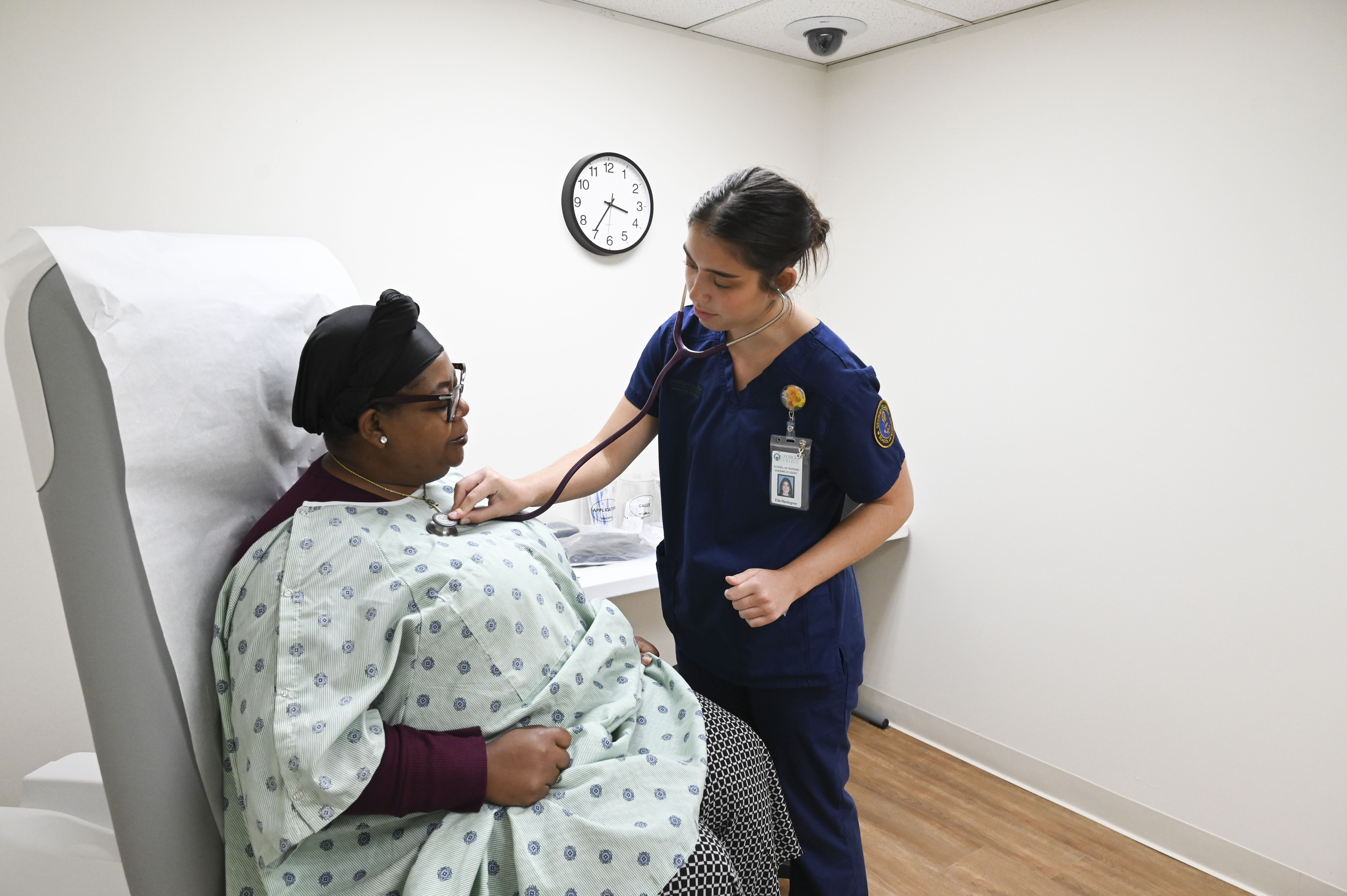
Georgia College opened the newly renovated Sim Center last fall, growing from a 6,000-square-foot space to one more than double that size to supply School of Nursing and College of Health Sciences students with more clinical hours. The innovative facility has dedicated spaces that mimic medical office settings, immersing students into various healthcare environments.
GCSU’s robust simulation program provides over 33,000 clinical hours to the School of Nursing annually. Sim Center Executive Director Dr. Sterling Roberts says the added personnel and equipment obtained through the grant could increase that total to 38,000 hours annually thanks to additional high-level undergraduate nursing courses.

“In their last semester of the undergraduate nursing program, our students will be able to register for advanced simulation classes that will be focused on critical and emergent, obstetric, pediatric or psychiatric care,” Roberts said. “We’re going to advance their knowledge beyond what the traditional graduate has, supporting a more work-ready nurse entering the field.”
In October, Sim Center faculty and staff celebrated another milestone by earning full accreditation from the Society for Simulation in Healthcare. Full accreditation by SSH makes GCSU only the second institution within the University System of Georgia to earn this level of recognition.
About the GREAT Health Program
The Georgia Rural Enhancement and Transformation of Health (GREAT) Health Program is supported by the Centers for Medicare & Medicaid Services (CMS) of the U.S. Department of Health and Human Services (HHS) as part of a financial assistance award totaling $218,862,169.63 with 100% funded by CMS/HHS. The contents are those of the author(s) and do not necessarily represent the official views of, nor an endorsement, by CMS/HHS, or the U.S. Government.
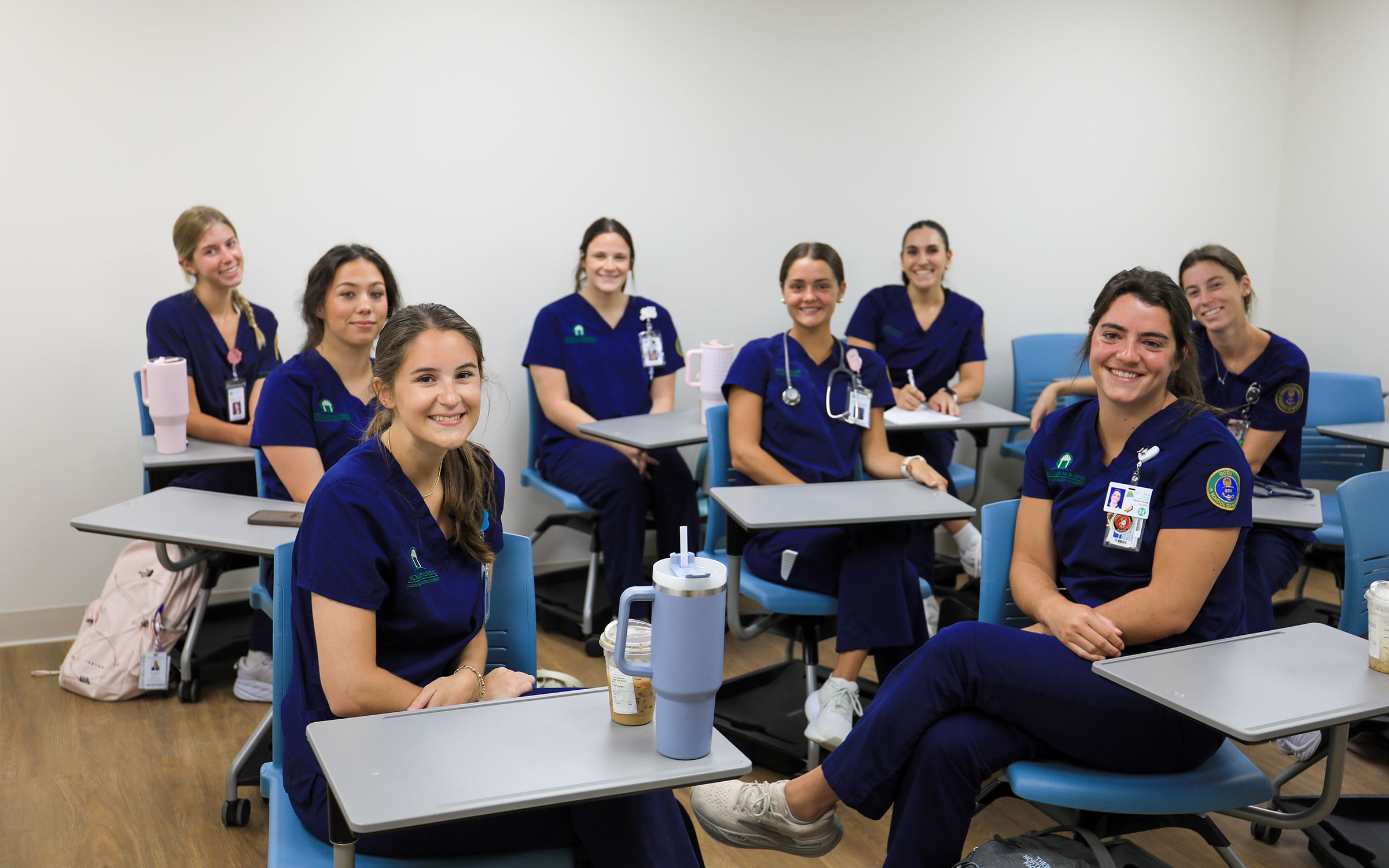
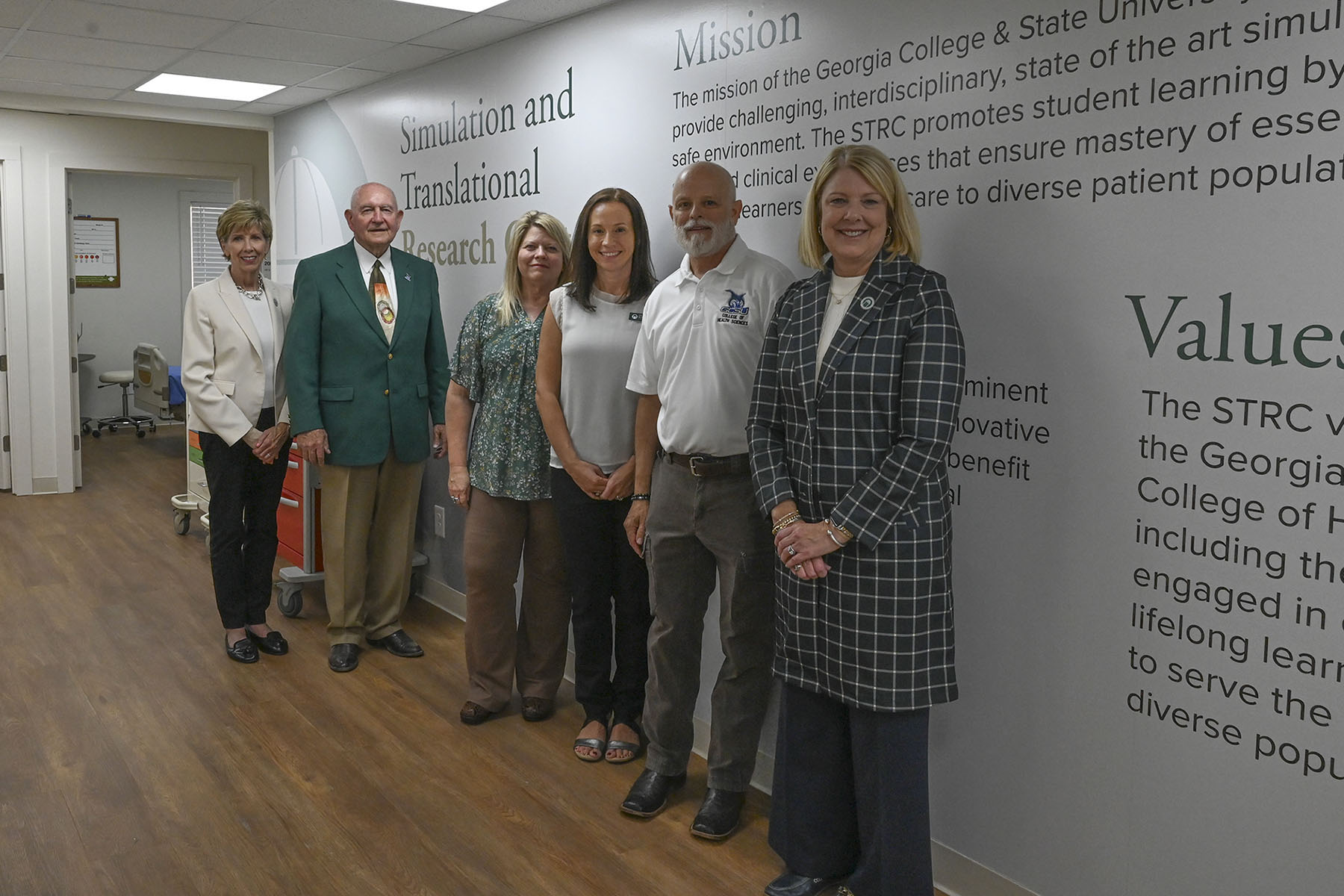
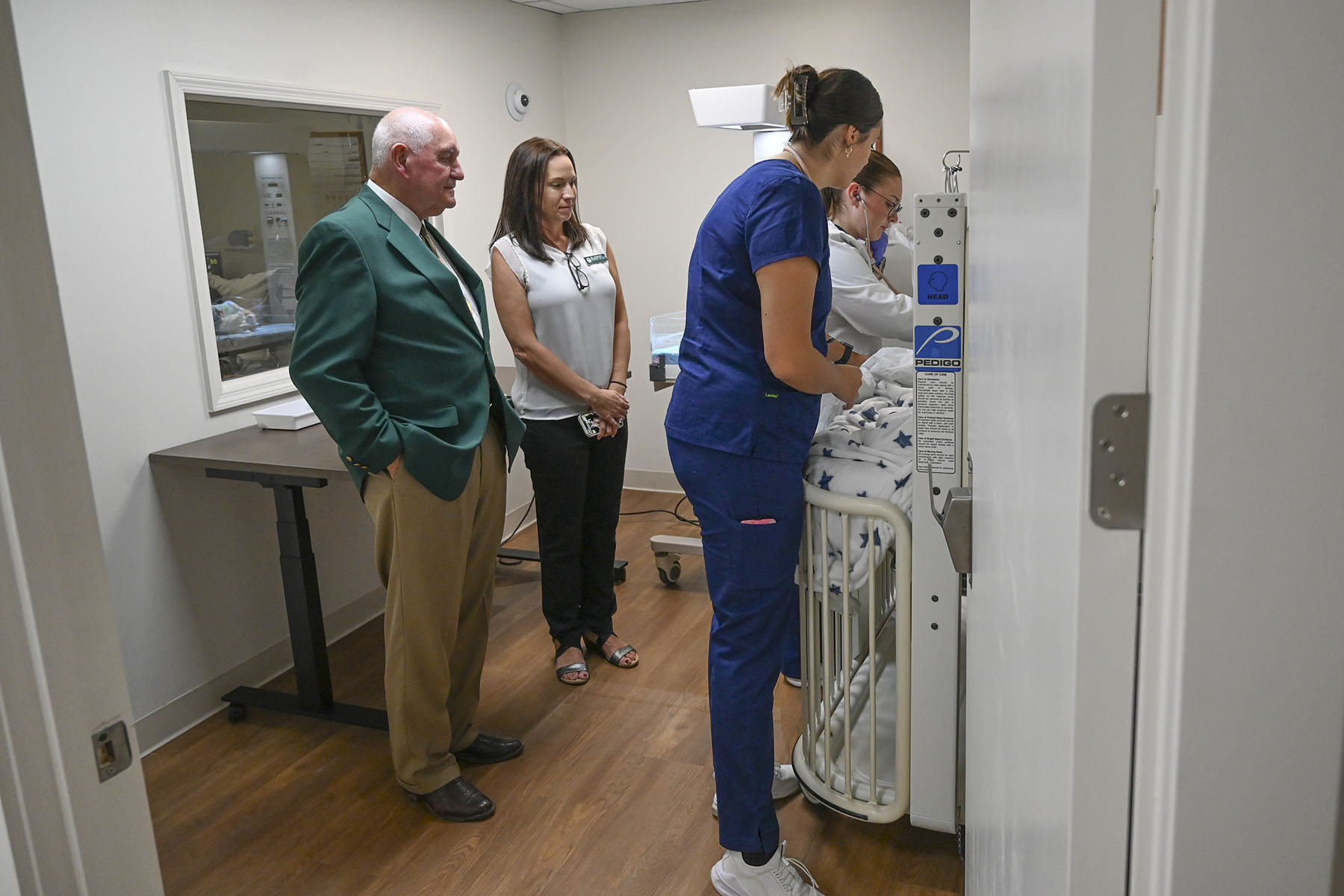
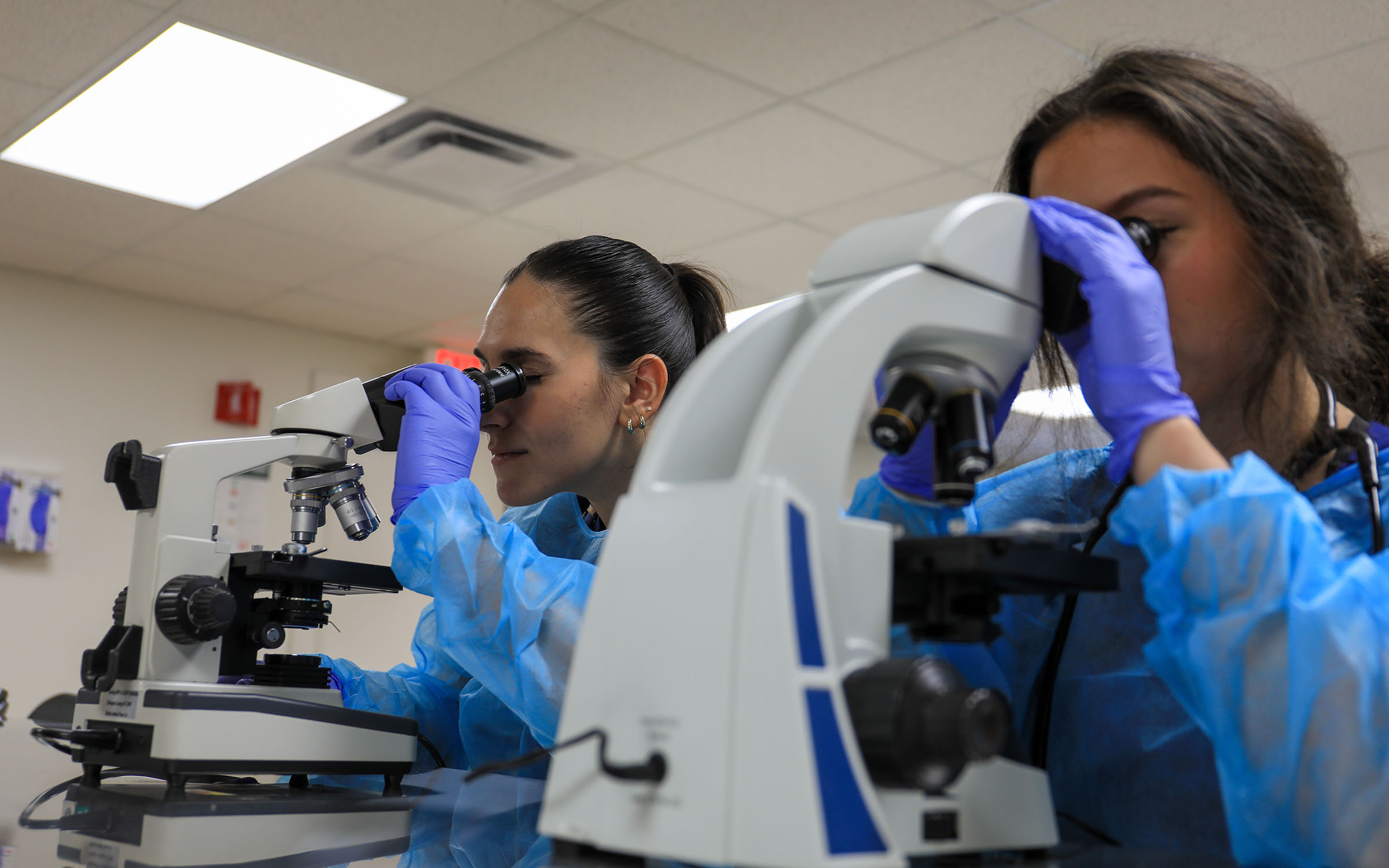
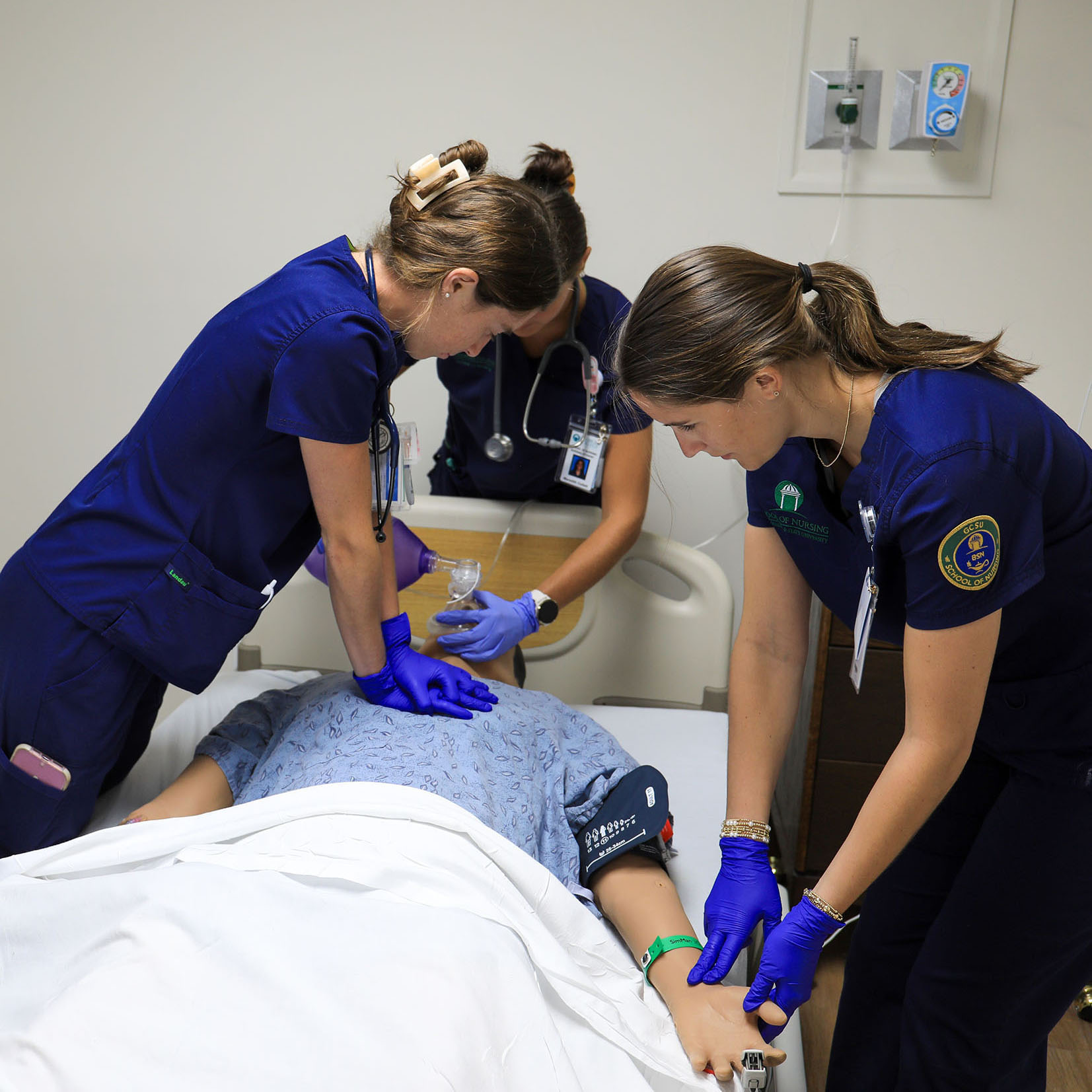
Header Images: Students in the College of Health Sciences benefit from valuable hands-on training in the GCSU Simulation and Translational Research Center, practicing clinical skills and patient safety using life-like manikins and trained actors called standardized patients. Photos by Anna Gay Leavitt.