The Best Part of Waking Up is Putting Research in Your Cup
By Amanda Respess
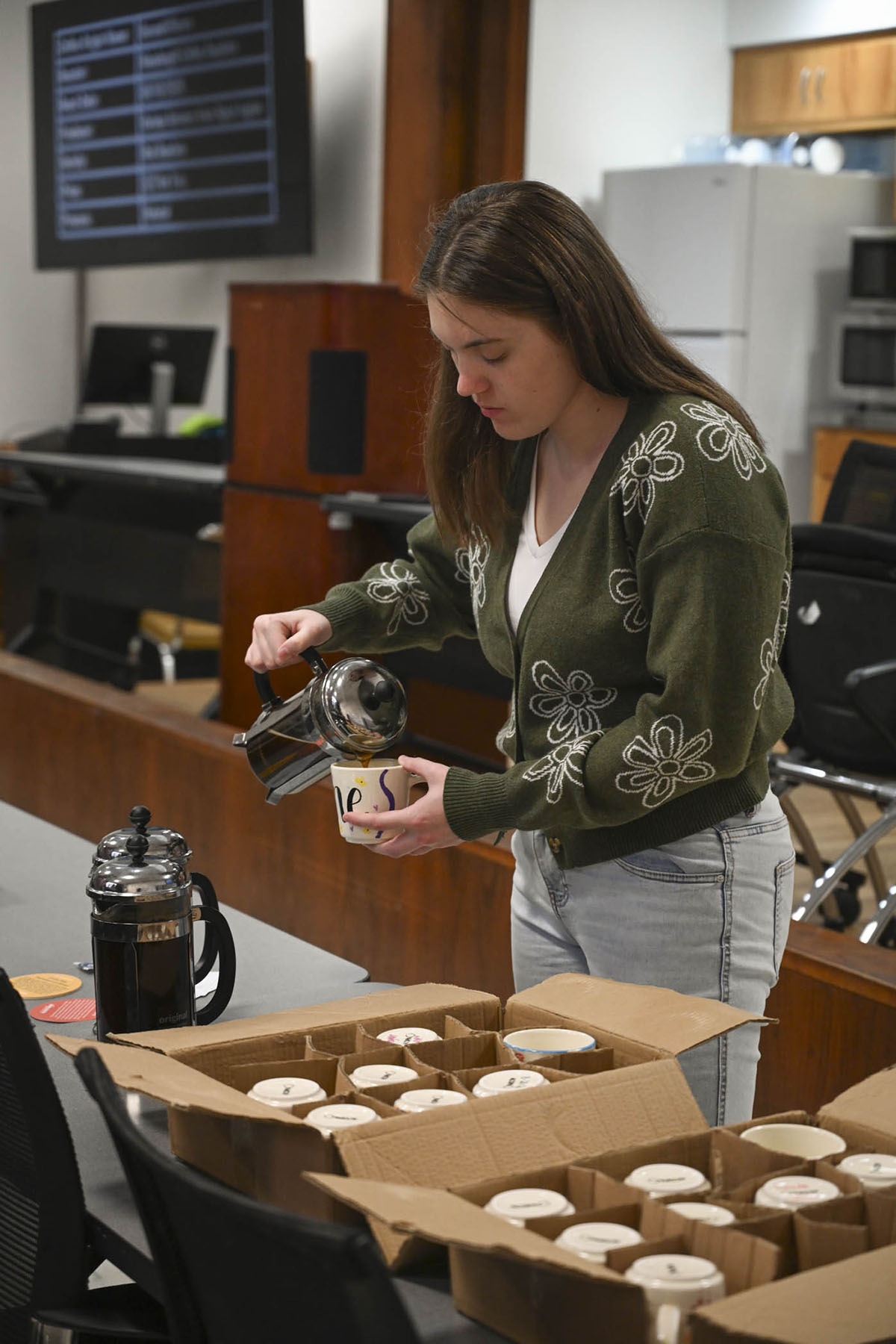
I t’s 9:30 a.m. on a Thursday and the smell of fresh coffee fills the hallway leading to a classroom in Chappell Hall. Crates of hand-painted mugs await a fresh pour of today’s brew. Students in Dr. Stephanie Opperman’s “Coffee: A Global History” class are lined up and waiting for a taste.
“Once I found out about it, I got really excited because I love coffee,” said senior marketing major Lily Kenyon.
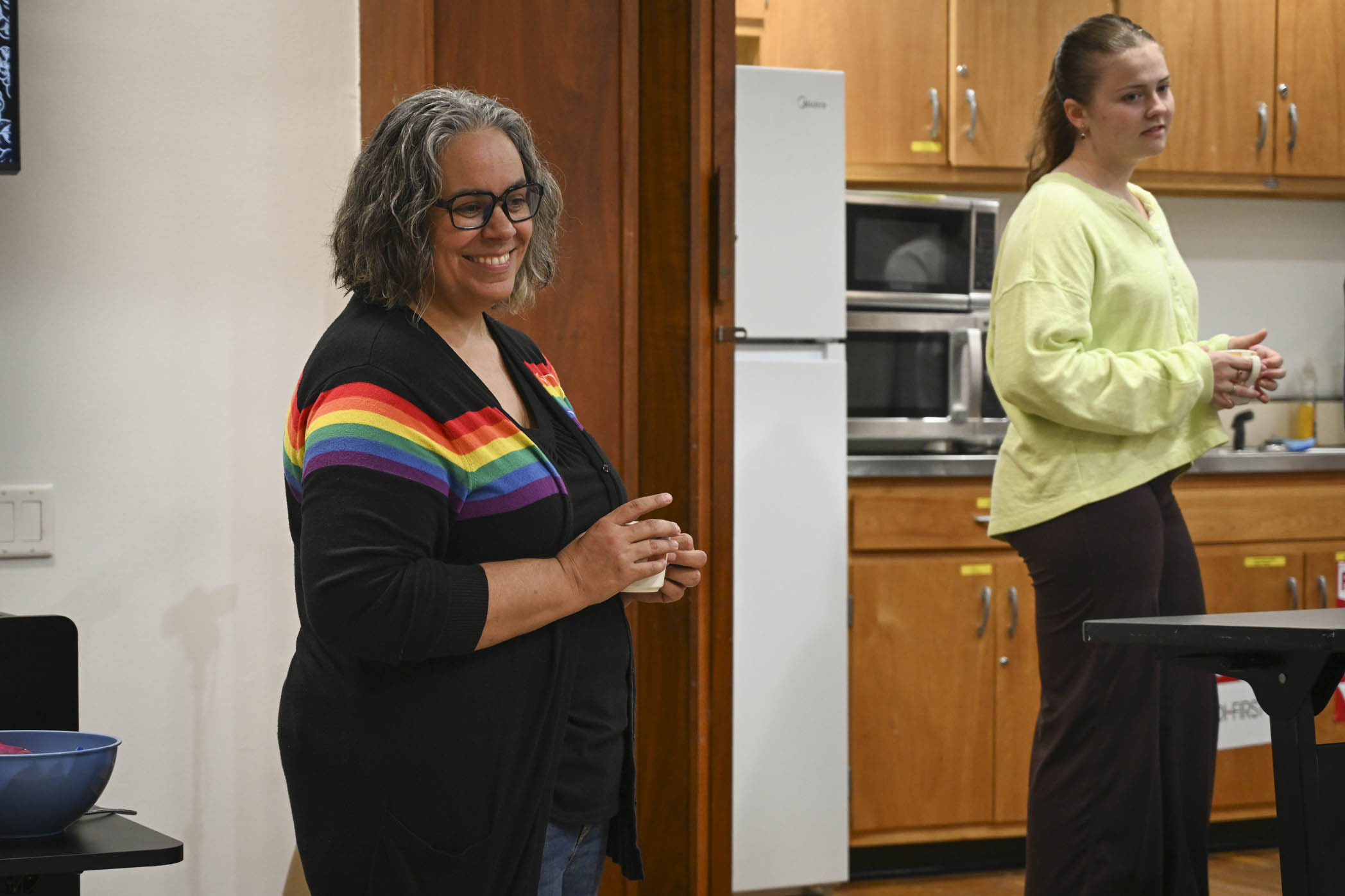
Opperman, professor of history in the Department of History and Geography, teaches her unique coffee class every two years. The course is popular with students across campus since it’s open to all majors, connecting history with economics, marketing, writing, ecology and the human experience.
“The weekly tastings have been the best part, but it is also great learning about the history of coffee. There was a week where we learned about old coffee advertising, and that was really fun to pay attention to as a marketing major,” Kenyon said.
“It’s a good fit for all liberal arts students because it combines hands-on experience with a chance to read, write and research,” Opperman said. “The final project is an ethnography where the students go out into coffee shops and record their observations, talk to people, take a few pictures, and really use all of their senses to describe the experience.”
The class meets twice weekly, allowing for more traditional lectures, reading and discussion on Tuesdays. Then Thursdays are tasting days. Students work in small groups to research a specific coffee, then they present their findings to the class while the coffee brews.
“The research starts with me giving the group a bag or can of coffee. Then it's up to them to research the roasting company, the relationship the roasters have with their farmers, the region where the coffee is grown, the average price of the coffee, how recently it was roasted, and finally the roaster’s environmental or sustainability practices,” Opperman explains.
Opperman prepares for her class long before the semester starts by contacting independent coffee roasters from around the globe, asking them to donate a sample of whole bean coffee to use in class. Some of the many roasters who have responded with donations include: Counter Culture Coffee, Novo Coffee, Aldea, 1000 Faces Coffee, Stray Cat Coffee, Sweet Bloom, Joe Van Gogh, Wavelength Coffee Roasters, NoNormal Outdoor Coffee and Café Grumpy.
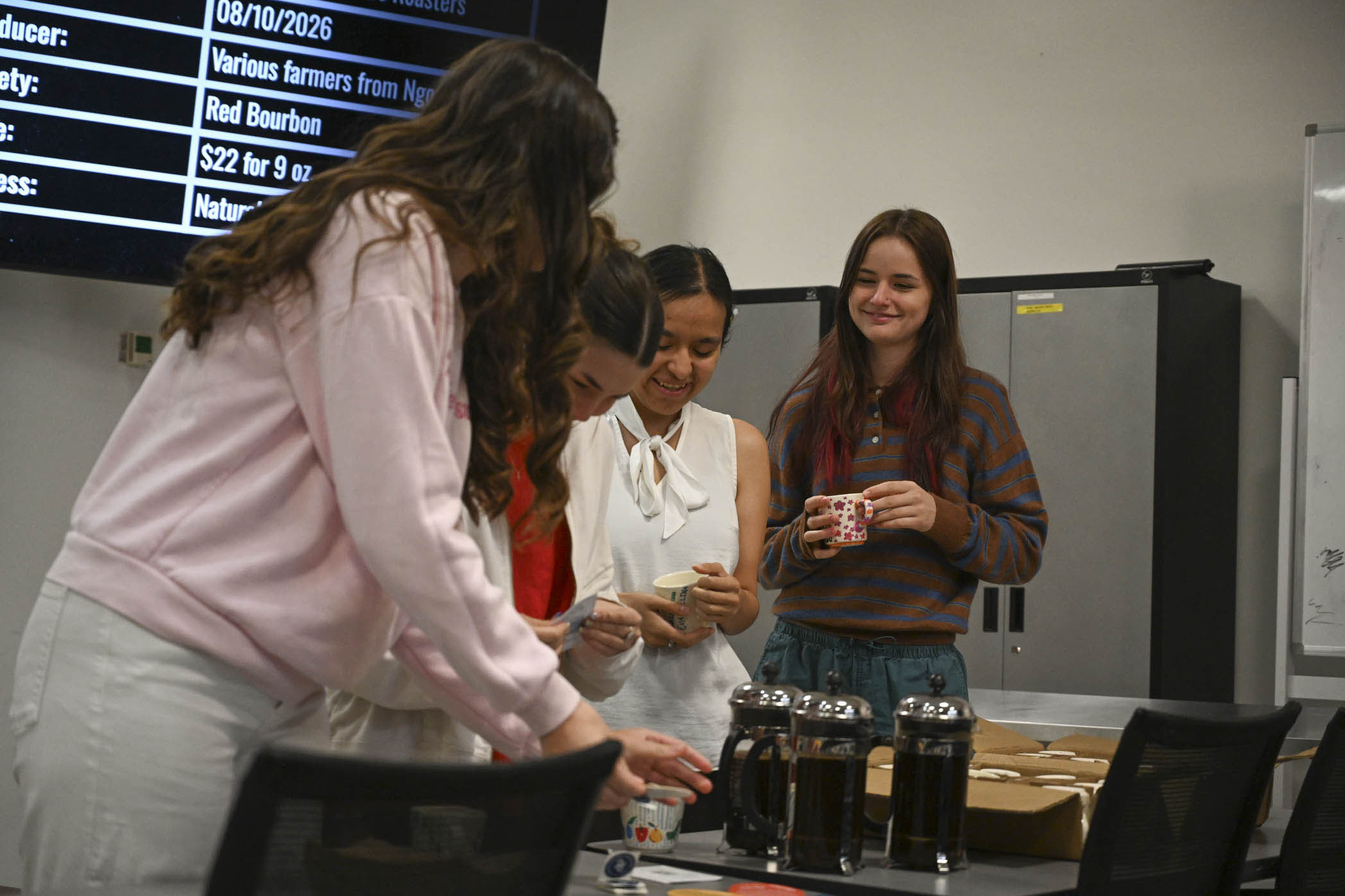
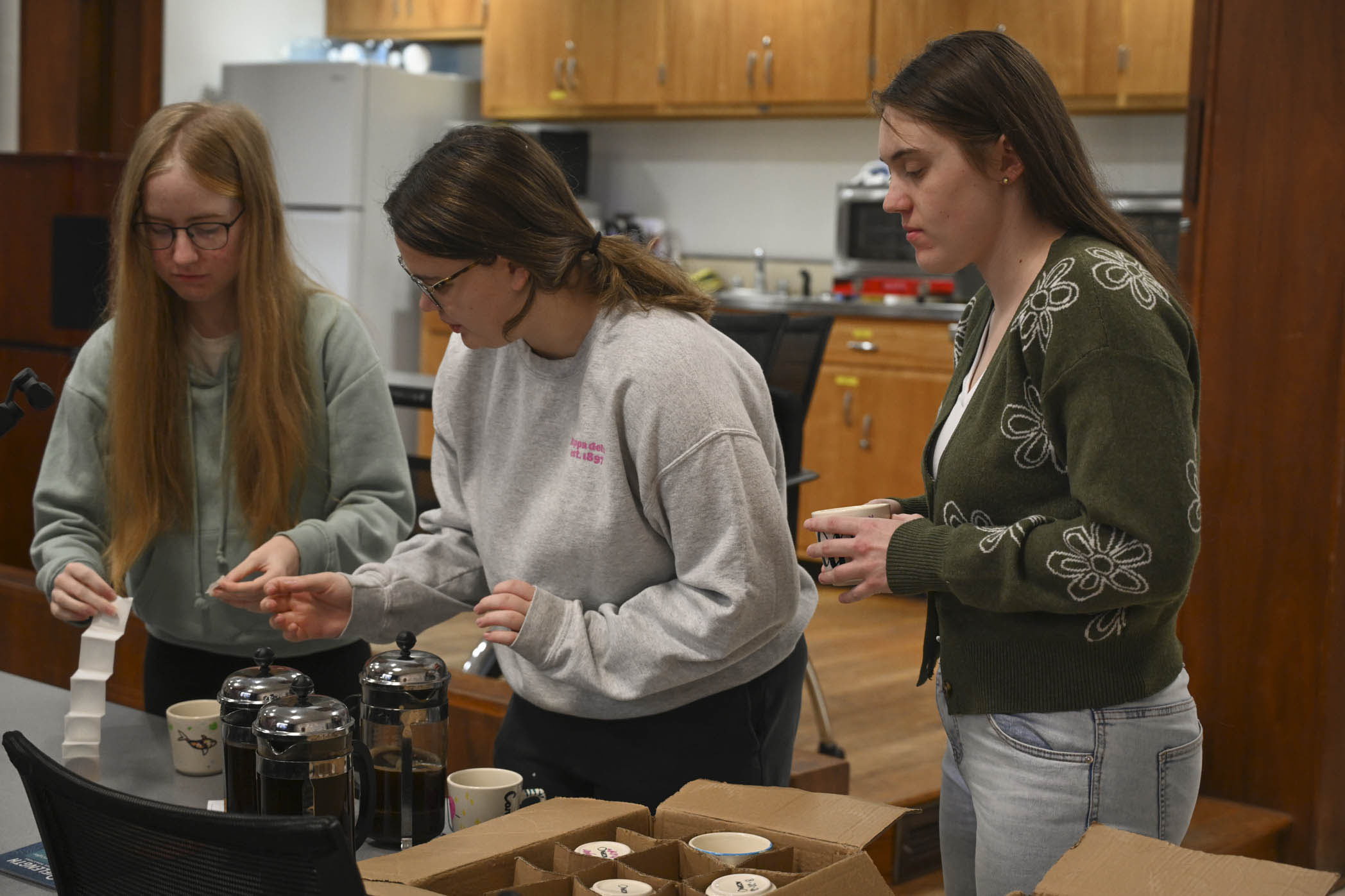
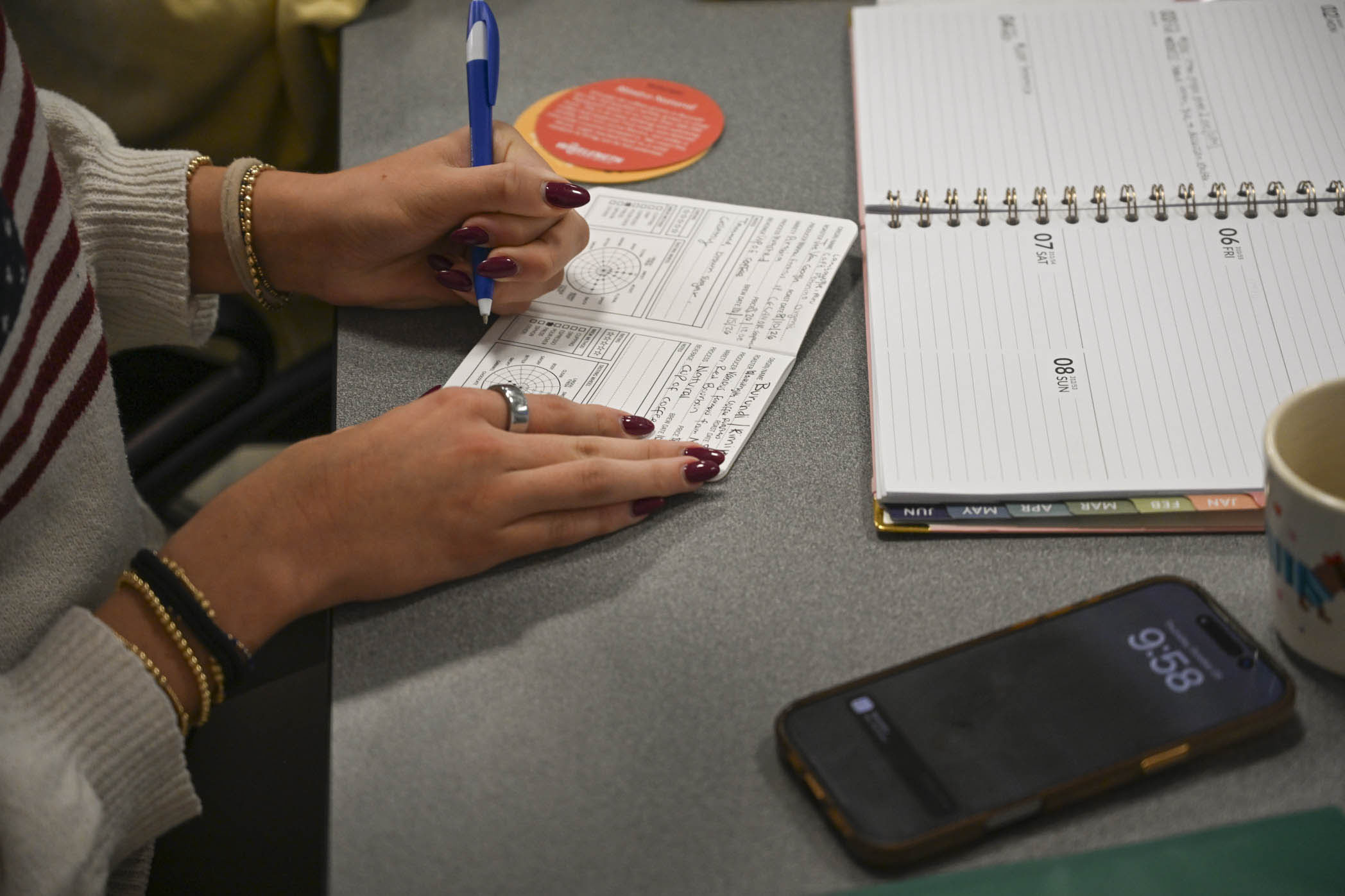
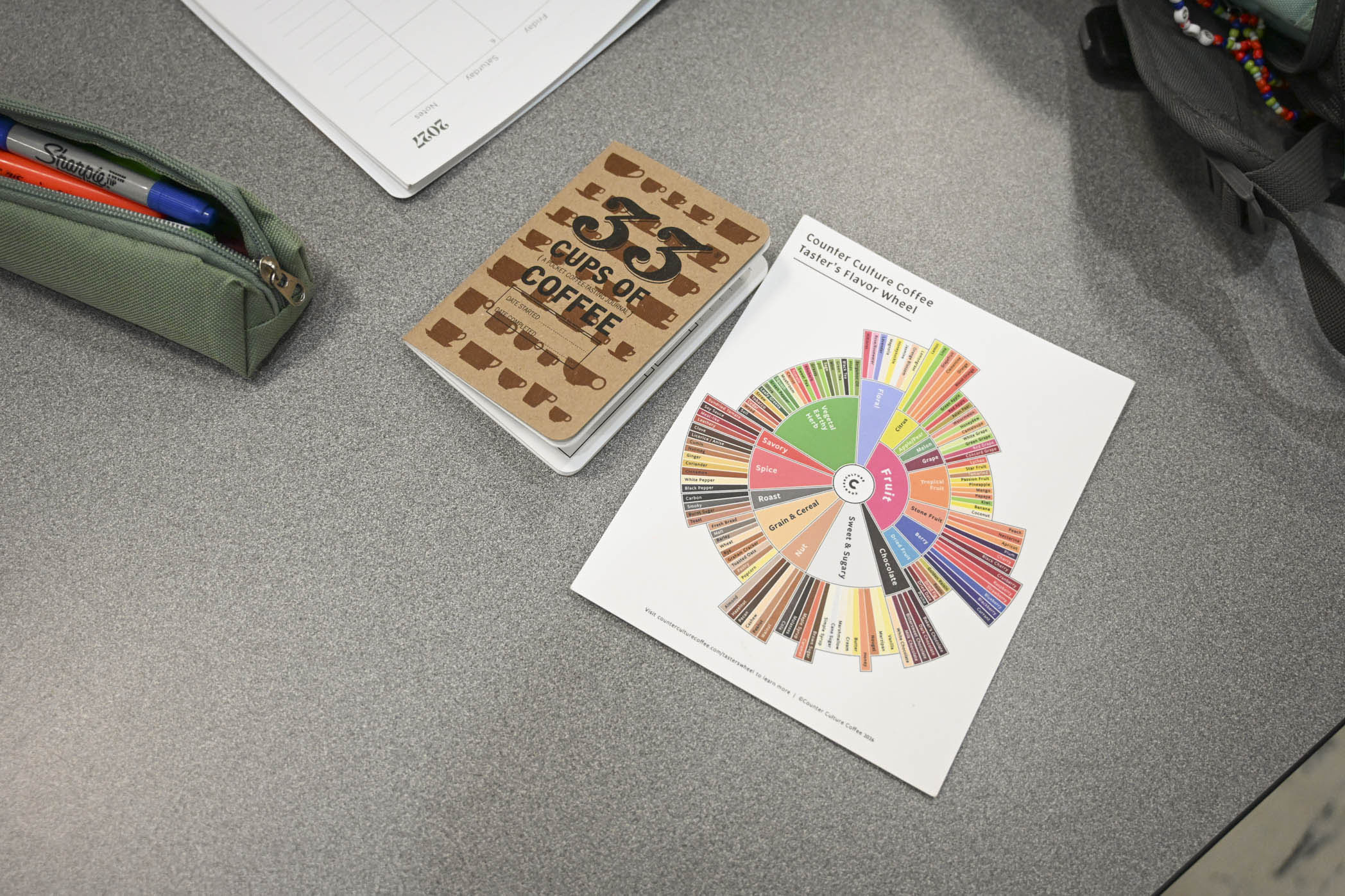
Once the coffee is freshly ground, brewed and ready to pour, each student puts a small amount of black coffee in their personal mug, which they decorated at the beginning of the semester. Using a tasting wheel with categories ranging from spice to fruit to chocolate, each student spends time sipping the coffee and making notes in their tasting journal.
They're spending time together, drinking coffee, having a little snack...connection building is a really strong component of the class.
Each student reflects on what they smell and taste, then the whole class discusses their observations. Finally, the presenters reveal what the roaster’s tasting notes are for their product.
“They're spending time together, drinking coffee, having a little snack...connection building is a really strong component of the class,” Opperman said. “It's wonderful to watch the students get to know each other and to form lasting friendships that go beyond the classroom.”
“Coffee: A Global History” is one of several courses comprising the department’s foodways program, which includes a Global Foodways Studies Certificate. Students can leverage the foodways certificate for finding employment with government agencies focused on food and agriculture, non-governmental organizations (NGOs) that work on sustainability and food security, and food processing, preparation and distribution firms.
“I mean, where in any other class do you get to take part in what you're learning about kind of physically, just tasting the coffee,” said junior history major Andie McMillan. “It's just so much different than anything else you're going to get.”
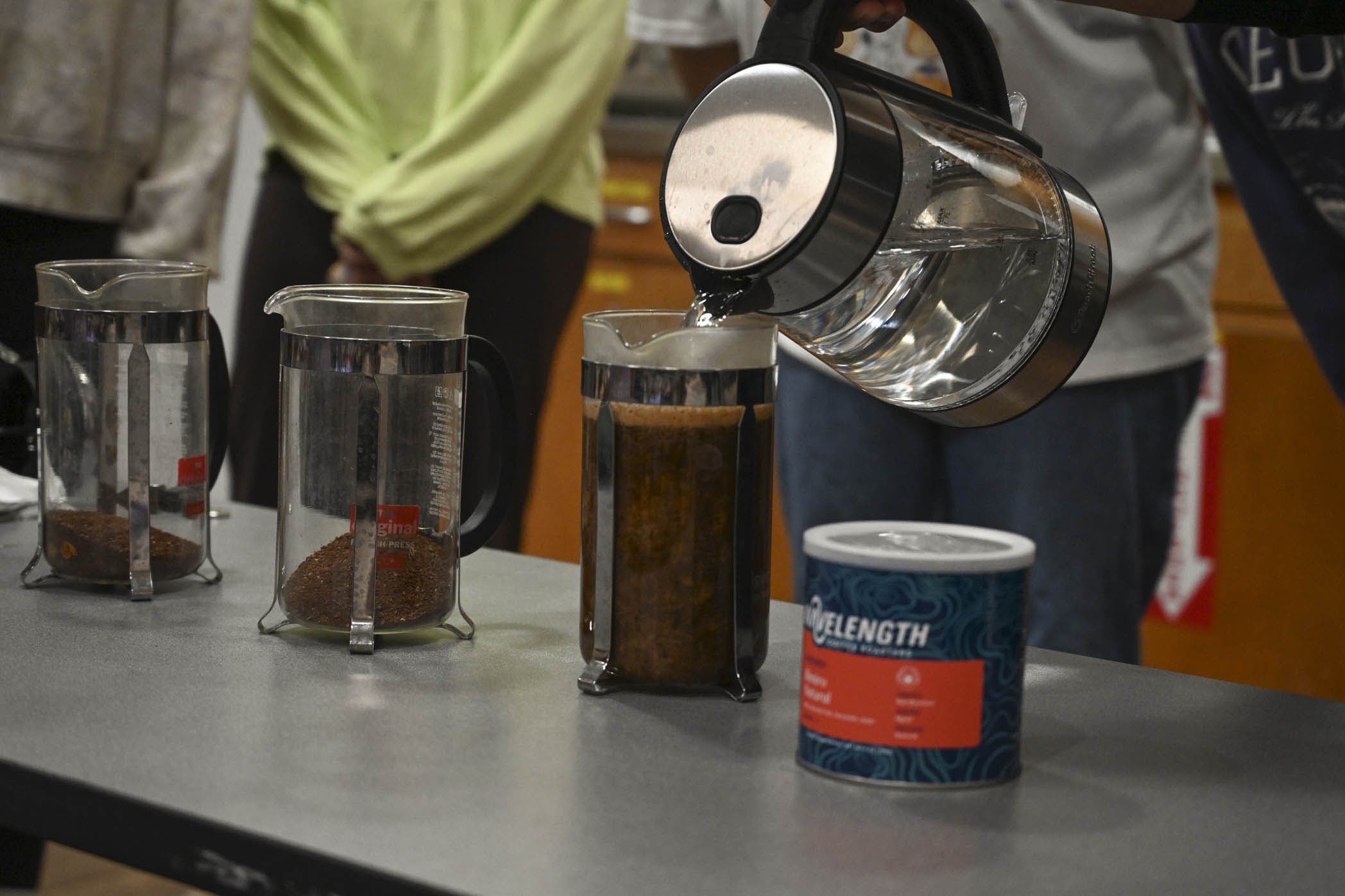
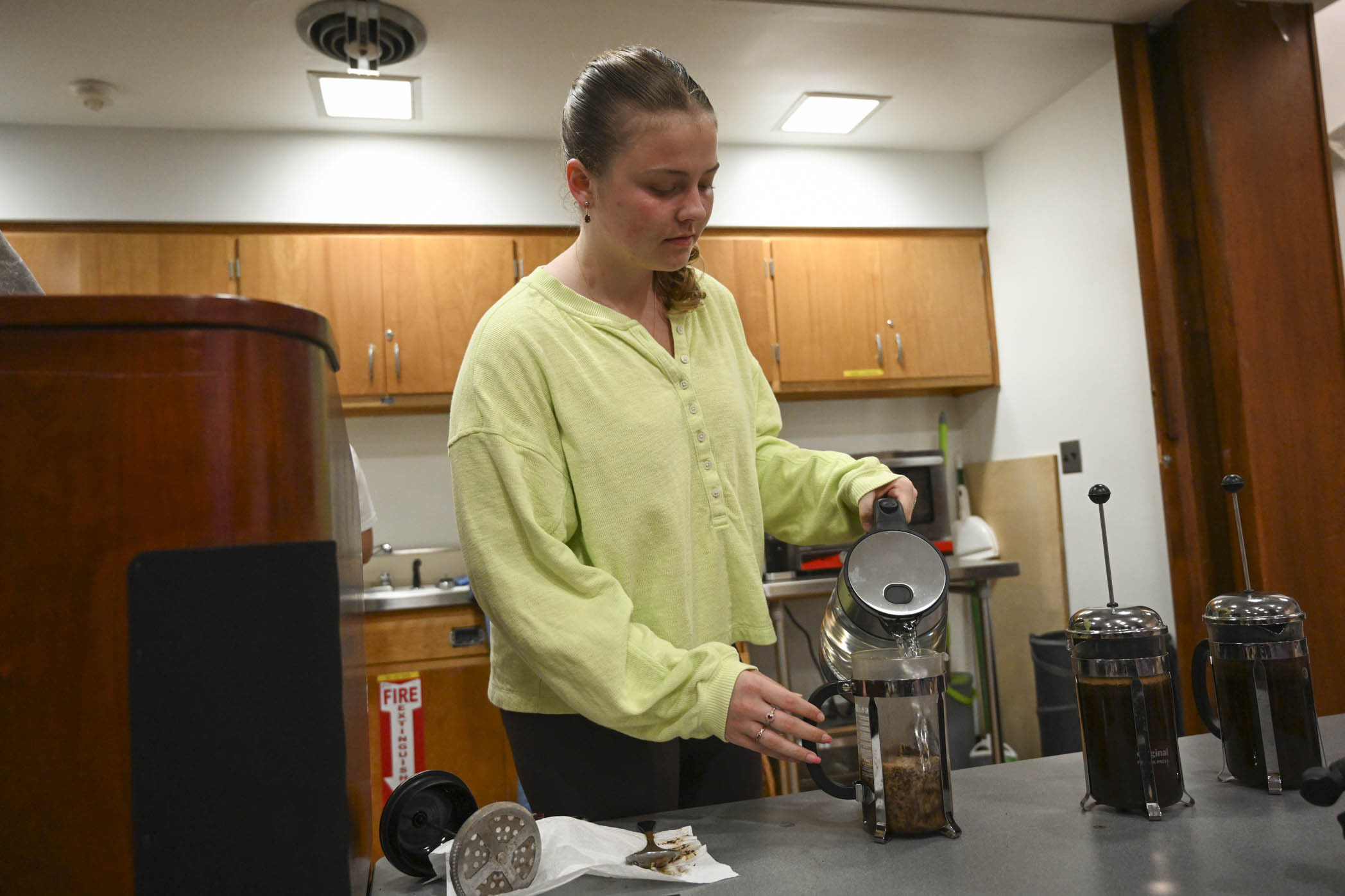
Header Images: Dr. Stephanie Opperman's Coffee: A Global History class is popular for student across campus from many different majors. (Photos by Anna Gay Leavitt, video by Stacey Lumley)