Georgia College earns A+ in literacy education by national council
By Ian Wesselhoff
T he undergraduate elementary teacher preparation program at Georgia College & State University has earned an A+ from the National Council on Teacher Quality, placing the institution among the nation’s best in preparing future instructors to teach reading to elementary students.
The report, published June 9, spotlights Georgia College for exceeding the standards set by literacy experts in preparing aspiring teachers to lead effective lessons in all five components of scientifically based reading instruction, including phonemic awareness, phonics, fluency, comprehension and vocabulary.
This is not the first time GCSU has earned this distinction. In 2023, which was the last time the council awarded grades on Reading Foundations, Georgia College was the only program in the state to receive an A+.
“Every child deserves a teacher who has been well prepared to teach reading, and every teacher deserves the opportunity to enter the classroom ready to help students succeed,” said NCTQ President Heather Peske. “Across the country, many teacher preparation programs still do not fully align with the science of reading, but Georgia College & State University is demonstrating what strong preparation can look like.”
Georgia’s Literacy Crisis
A child’s ability to read proficiently by fourth grade has long-term effects on graduation rates, incarceration rates and health outcomes. Yet, according to NAEP, 70% of Georgia children cannot read proficiently by fourth grade.
"Fourth grade is a critical time when students transition from 'learning to read' to 'reading to learn,'" said Dr. Lindee Morgan, executive director of the Sandra Dunagan Deal Center, which is located on GCSU’s campus and works to advance research in language and literacy practices throughout Georgia. "Without a solid foundation of proficient reading, students quickly fall behind and it is incredibly hard to catch up."
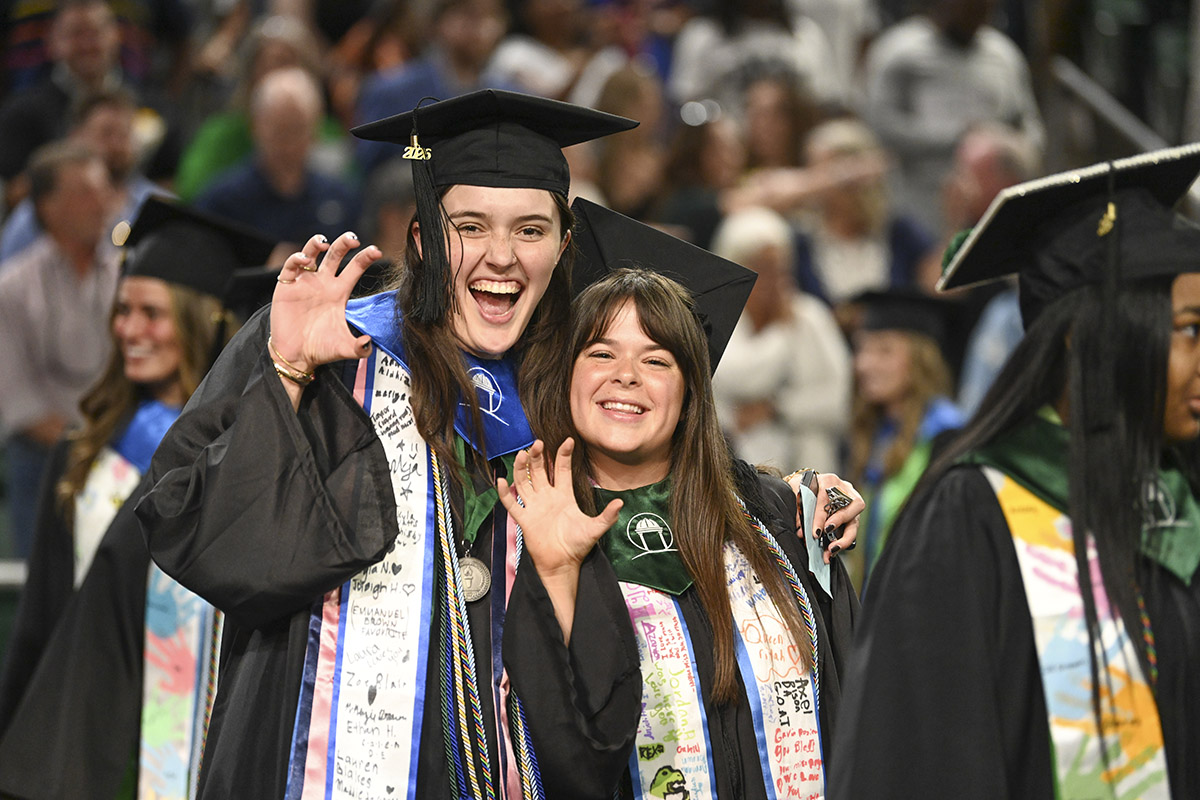
Teacher preparation is one of the most direct levers available to change that — but only if it is aligned to the research-based instructional methods that have been proven to help most students become successful readers. Through its collaboration with Georgia College, the Deal Center champions those instructional methods, which are then leveraged throughout the John H. Lounsbury College of Education, where more than 660 students will study this fall in pursuit of teaching careers.
“When more colleges and universities receive an A+, that only benefits children,” said Dr. Linda Bradley, program coordinator for reading, literacy and language in GCSU’s College of Education. “It’s wonderful if GCSU has A+, but all of us get better when we’re working together.”
Bradley is one of three full-time literacy faculty members in GCSU’s College of Education, which teaches courses for elementary, special education, middle grades and secondary education. These programs excel, she says, because they change. A focus on collaboration and continuous improvement among academic leadership keep the programs in a state of iterative growth, responding to new literacy research findings in real time.
“The level of collegiality of our reading and literacy faculty is exceptional,” Bradley said. “We’re doing everything we can to provide student success at the college and graduate levels, and that collegiality helps us to always be aware and looking for what we need to be learning, what we need to be changing and thinking about.”
Field work also plays a pivotal role.
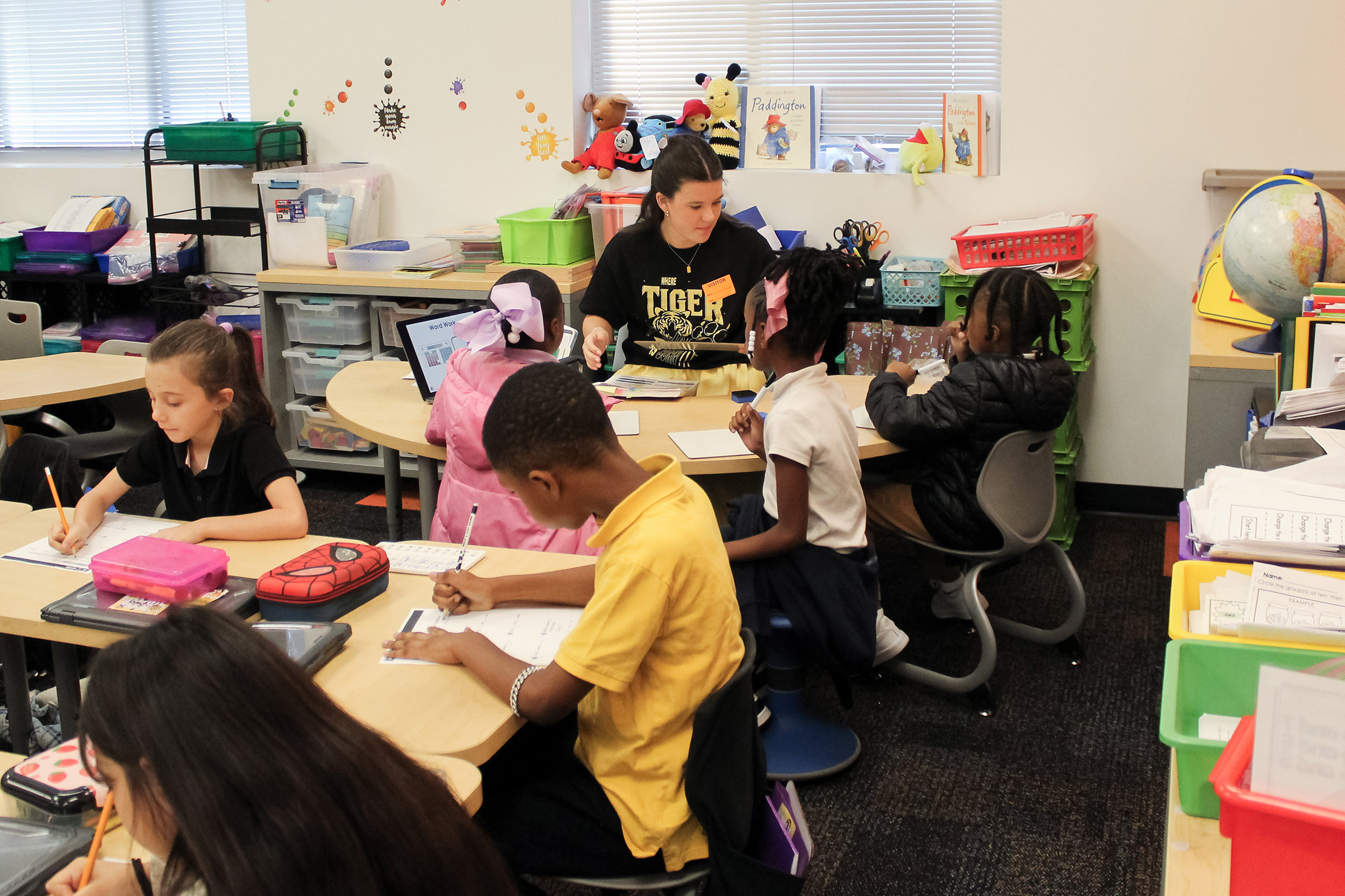
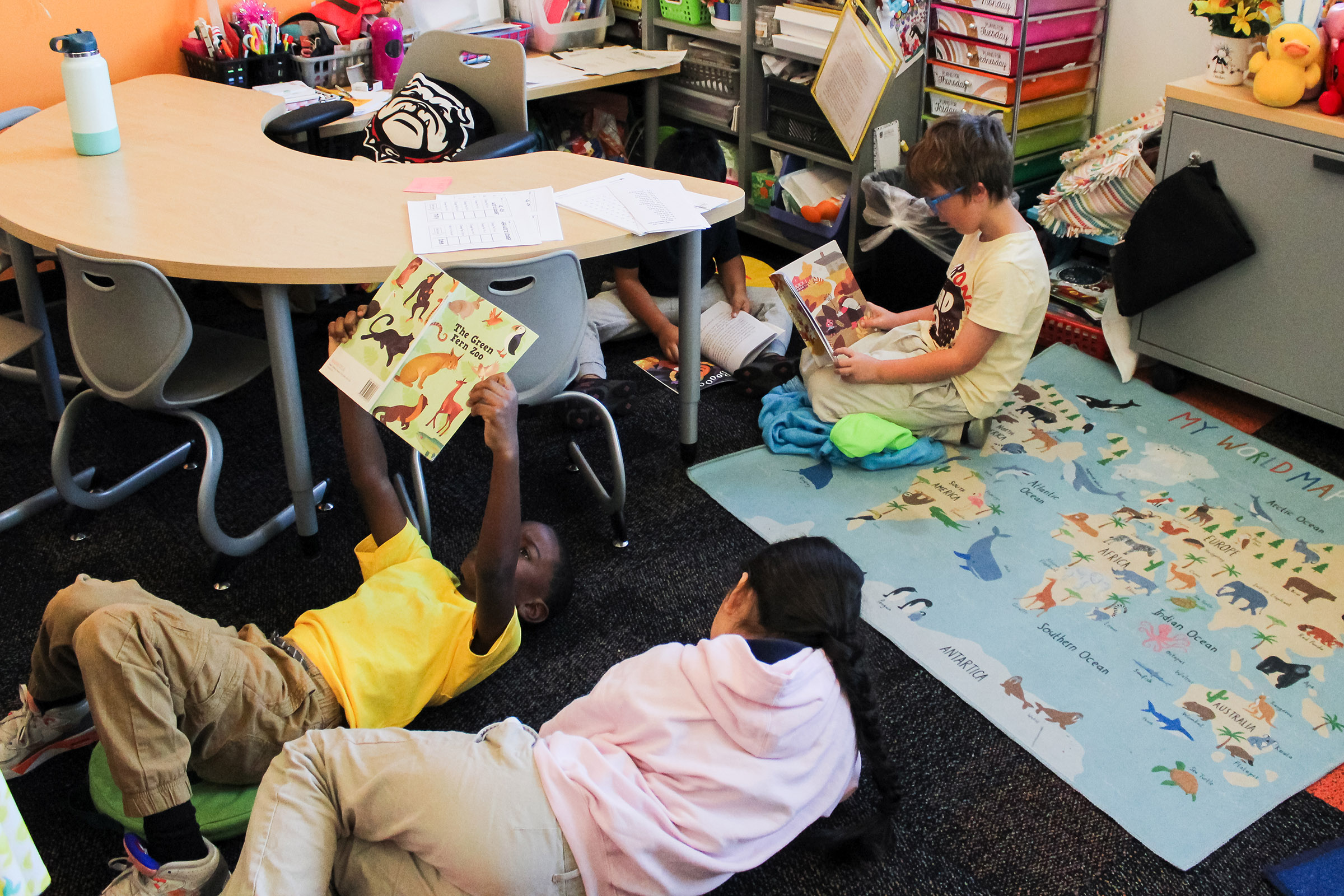
Elementary education students at GCSU engage in hands-on learning in local elementary school classrooms, conduct reading assessments and tutoring, and evaluate the effectiveness of their efforts throughout the year.
The John H. Lounsbury College of Education has produced 1,043 high-performing teachers in the past five years — including 228 in 2025. Most of these graduates teach in the state of Georgia.
To evaluate the quality of teacher preparation across programs, a team of experts at NCTQ analyzed syllabi, including lecture schedules and topics, background reading materials, class assessments, assignments and more. To earn an A+ grade, must demonstrate that coursework for future elementary teachers includes all five core components of scientifically based reading instruction and avoid teaching any instructional practices that are unsupported by research. Learn more at www.nctq.org.
Header Images: Elementary education students at GCSU engage in hands-on learning in local elementary school classrooms, conduct reading assessments and tutoring. (Photos: Kristen Simpson)